Sleep is crucial to good health, both physically and mentally. But, numerous people suffer from sleep difficulties that impact their every day existence, however they are not aware of the precise cause of their sleep problem. Sleep Apnea is one of the most prevalent sleep-related breathing conditions, which is a condition where breathing once again starts and stops during sleep. These pauses in breathing may deplete the body of oxygen, and disrupt normal sleep cycles.
Symptoms of Sleep Apnea include: loud snoring, fatigue upon waking, problems with focus, and daytime sleepiness. Sleep Apnea, if untreated, can lead to a number of health complications such as high blood pressure, heart issues and decreased quality of life.
To know about the Sleep Apnea symptoms, Sleep Apnea causes, types of Sleep Apnea, Sleep Apnea diagnosis and Sleep Apnea treatment may help individuals identify it early and receive right treatment.
What Is Sleep Apnea?
Sleep Apnea is a sleep disorder where a person’s breathing becomes interrupted multiple times while sleeping. During these breathing pauses, the patient may breathe for a couple of seconds to over a minute and can have a number of periods like this all night.
If breathing ceases, the brain signals a shortage of oxygen and in a few seconds awakens the person to resume breathing. This may occur very often, leaving the person to not receive deep sleep in spite of their allotted hours in bed.
Sleep Apnea can occur in a variety of forms and each type of Sleep Apnea impacts breathing in a different manner. The most frequently occurring type is Obstructive Sleep Apnea which occurs when the airway collapses or narrows during sleep.
Types of Sleep Apnea
There are mainly three Types of Sleep Apnea:
1. Obstructive Sleep Apnea (OSA)
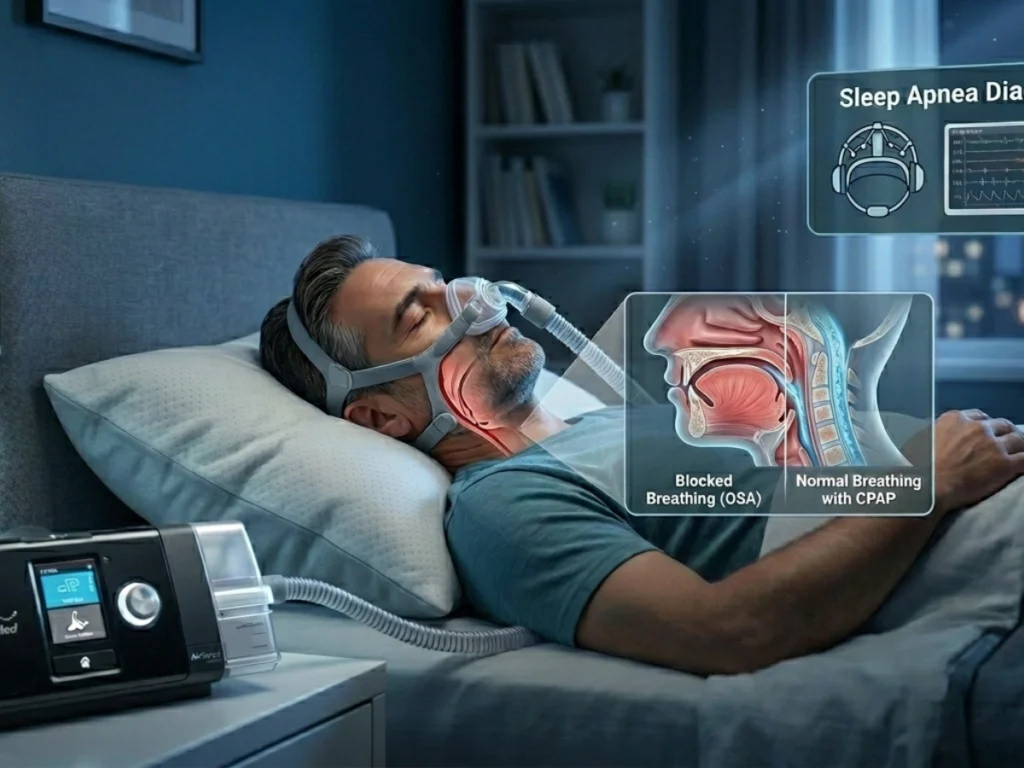
Obstructive Sleep Apnea is the most common type of Sleep Apnea. It’s when the throat muscles become overly relaxed during sleep, blocking the airway partially or completely.
If the airway becomes blocked, airflow decreases or blocks, leading to pauses in breathing. Common symptoms are loud snoring, choking noises during sleep and waking up often.
2. Central Sleep Apnea
Central Sleep Apnea is caused by the brain not communicating properly with the muscles that control breathing. In this condition the breathing passage is generally open, but the body fails to take the effort to breathe well.
It can be linked to some health disorders, cardiac issues or neurological disorders.
3. Complex Sleep Apnea Syndrome
Complex Sleep Apnea is a type of sleep apnea characterized by both Obstructive Sleep Apnea and Central Sleep Apnea. It can happen after someone has begun sleeping apnea treatment when they still experience breathing difficulties.
Sleep Apnea Symptoms
It’s crucial to know the sleep apnea symptoms so you can catch it early and get treatment. Symptoms can occur at night or during the day.
Common symptoms include:
- Snoring several times a night.
- Sleep apnoea (snoring and daytime tiredness).
- Sudden waking up, choking or gasping.
- An early morning sensation of dry mouth after awakening.
- Morning headaches.
- Difficulty staying asleep.
- Excessive daytime sleepiness.
- Low energy levels.
- Poor concentration and memory problems.
- Mood swings and irritability.
These symptoms are not noticed by many people. Snoring and pauses in breathing are usually the first signs that a partner or family member observes.
Sleep Apnea Symptoms can also be seen in children, such as: Restless sleep, difficulty paying attention, mouth breathing, or behavioral changes.
Sleep Apnea Causes
Knowing the sleep apnea causes can help you manage and lessen the risk of sleep apnea.
Common causes and risk factors include:
1. Excess Weight
Additional body weight may cause fat deposits around the neck and airway, making it more likely that the airway will collapse during sleep.
2. Airway Structure
Others may have a narrower airway or enlarged tonsils or other differences in structure that make it more likely that the airway will block.
3. Age
Sleep Apnea poses a greater risk to older age groups as the muscles in the throat may weaken over time.
4. Family History
Those whose family members have Sleep Apnea are at a higher risk because of inherited physical characteristics or genetic traits.
5. Lifestyle Factors
A person’s risk of Sleep Apnea can be increased by his/her smoking, drinking alcoholic beverages or not exercising enough.
6. Medical Conditions
Some health issues, such as heart problems, high blood pressure and hormonal disorders, can be a risk factor for Sleep Apnea.
How Is Sleep Apnea Diagnosed?
Sleep Apnea Diagnosis can help the doctor determine the level of severity of the Sleep Apnea and determine the appropriate treatment.
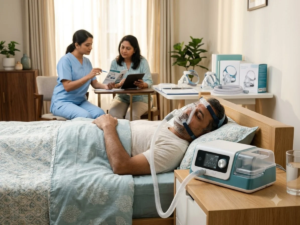
The diagnosis typically starts with a medical exam where the doctor will ask questions about sleep patterns, symptoms and medical history.
Sleep Study Test
One of the most frequently used Sleep Apnea Diagnosis methods is a Sleep Study, or polysomnography. While the person is sleeping, various body functions are measured during this test, such as:
- Breathing patterns
- Oxygen levels
- Heart rate
- Brain activity
- Body movements
Some patients may also need a home sleep test that will record the breathing pattern at home.
The outcome is used to decide if someone has Sleep Apnea and its severity.
Sleep Apnea Treatment Options
The selection of Sleep Apnea Treatment will depend on the type and severity of Sleep Apnea. Treatment is directed at maintaining open airways, improving breathing during sleep and optimizing sleep quality.
1. CPAP Therapy
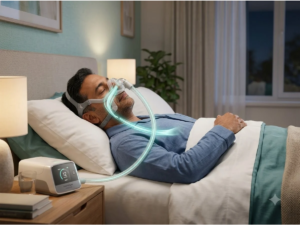
One of the most frequently-used therapies for Obstructive Sleep Apnea is the CPAP (Continuous Positive Airway Pressure) machine. The machine regulates the air stream through a mask keeping the airway patent during sleep.
CPAP therapy can help to lessen breathing pauses, boost oxygen levels and enhance sleep quality.
2. BiPAP Therapy
A BiPAP machine delivers two levels of air pressure – one higher during inhalation and one lower during exhalation. It might be suggested for individuals who are not able to use CPAP or who need various pressure levels.
3. Lifestyle Changes
Even lifestyle changes can help with Sleep Apnea Treatment when it comes to mild cases. These may include:
- Lifestyle choices that promote a healthy weight.
- Regular exercise.
- Refrain from drinking before sleep.
- Quitting smoking.
- Sleeping in the proper position.
4. Oral Appliances
In some patients, specially designed dental devices may be helpful in keeping the airway open by moving the jaw or tongue.
5. Surgery
When obstruction occurs, surgery may sometimes be an option in order to enhance breathing.
Also read : When Should You Switch from CPAP to BiPAP?
Why Treating Sleep Apnea Is Important
If Sleep Apnea is not treated, it can impact health and overall performance. Frequent loss of breath diminishes the amount of oxygen available and prevents the body from receiving deep sleep.
Possible complications may include:
- High blood pressure.
- Heart-related problems.
- Difficulty controlling blood sugar.
- Reduced concentration.
- Daytime sleepiness can increase risk of accidents.
Sleep Apnea Diagnosis and initiating appropriate Sleep Apnea Treatment can help to enhance sleep quality and wellbeing.
Conclusion
Sleep Apnea is a prevalent but serious sleep disorder related to breathing problems during sleep. Knowing the signs of sleep apnea, Sleep Apnea causes, types of Sleep Apnea, and Sleep Apnea diagnosis can help people identify sleep apnea and obtain medical attention.
With the help of Sleep Apnea Treatment options like CPAP therapy, BiPAP therapy, lifestyle changes and other medical Sleep Apnea solutions, many people can manage their symptoms and enjoy a healthier sleep.
Loud snoring and waking up tired during the day or breathing interruptions may be a sign that you are having problem breathing while you sleep and should seek a healthcare professional’s advice so you can find out how to sleep better and stay healthier. Today Contact Now!
FAQs: What Is Sleep Apnea? Symptoms, Causes and Treatment
1. How can I determine if I require a Sleep Study Test?
A Sleep Study Test can help diagnose Sleep Apnea and identify the right treatment if you experience loud snoring, daytime sleepiness, morning headaches, or breathing pauses during sleep.
2. What are the treatment options for Sleep Apnea?
Sleep Apnea treatment options may include CPAP therapy, BiPAP therapy, lifestyle changes, oral appliances, and surgery in selected cases depending on the patient’s condition.
3. Which is better for Sleep Apnea: CPAP or BiPAP?
The choice depends on your condition. CPAP is commonly used for Obstructive Sleep Apnea, while BiPAP may be recommended for patients who need additional pressure support or have difficulty using CPAP.
4. What are the at home testing options to diagnose Sleep Apnea?
A Home Sleep Study allows breathing patterns, oxygen levels, and sleep data to be monitored from the comfort of your home. A sleep expert can help determine if it is suitable.
5. What are the consequences of not treating Sleep Apnea?
Untreated Sleep Apnea may increase the risk of high blood pressure, heart disease, stroke, diabetes, and chronic daytime fatigue.
6. Do I need a prescription for a CPAP or BiPAP Machine?
Yes. A Sleep Apnea diagnosis and prescription from a healthcare provider are usually required to determine suitable machine settings and treatment plans.
7. What is the cost of Sleep Apnea treatment in India?
The cost depends on the severity of Sleep Apnea, sleep study requirements, and the type of CPAP or BiPAP machine recommended.
8. How soon do Sleep Apnea symptoms improve with CPAP?
Many patients notice improvements in sleep quality within days to weeks of regular CPAP use, while daytime alertness and energy levels may improve over time.