A good night’s sleep is important for good physical and mental health. But millions of people experience Sleep Apnea Symptoms, and they don’t even know that it’s a serious condition. Snoring is not the only symptom of sleep apnea, it is a serious Sleep Disorder that causes breathing to stop repeatedly throughout sleep. The interruptions also lower the amount of oxygen and disrupt sleep, and can lead to a variety of chronic health issues.
Early detection Sleep Apnea symptoms can prevent complications that can affect your well-being later in life. In this article, you will learn the impact that Sleep Apnea, more specifically Obstructive Sleep Apnea, has on a person’s health, what are some of the warning signs to look out for and some of the Sleep Apnea Treatment options available.
What Is Sleep Apnea?
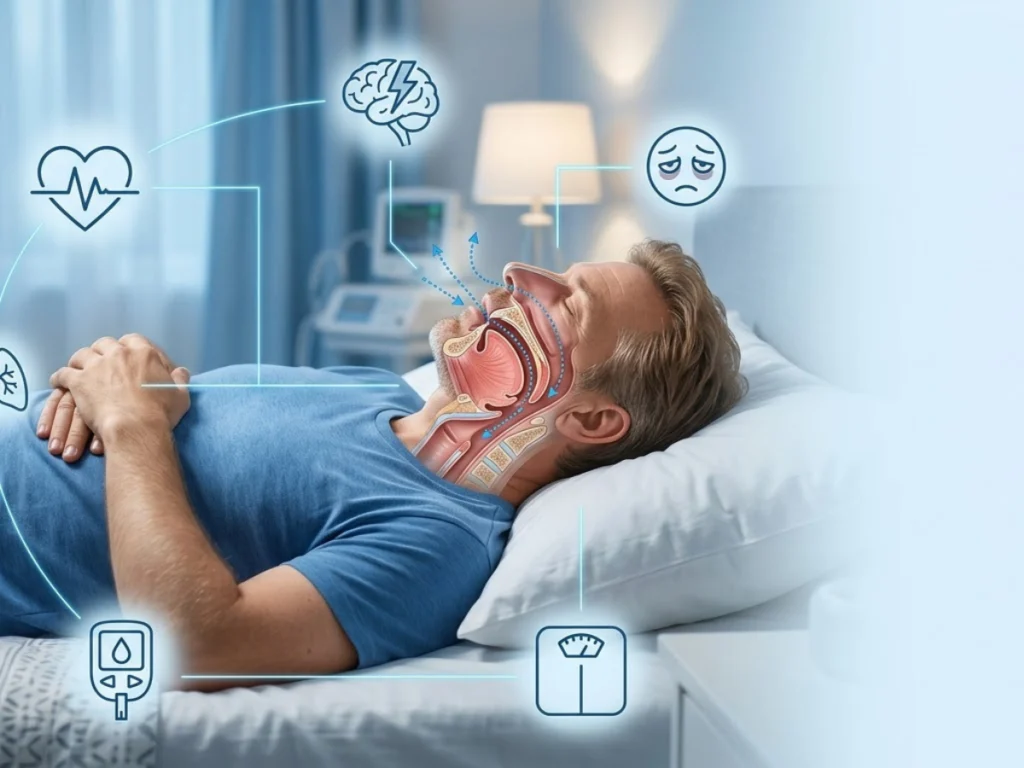
Sleep Apnea is a very common Sleep Breathing Disorder characterized by repeated stopping and starting of breathing while sleeping. They might happen dozens to hundreds of times during the night, or the rest of the night, stopping the body from getting enough oxygen.
The three main types of sleep apnea include:
- Obstructive Sleep Apnea (OSA): This is the most frequent type of sleep apnea due to blockage of the airways or collapse of the airway.
- Central sleep apnea: When the brain doesn’t signal the muscles to breathe properly.
- Complex Sleep Apnea Syndrome: A mixture of both obstructive sleep apnea and central sleep apnea.
Of these, Obstructive Sleep Apnea is the most common form of diagnosed sleep apnea.
Common Sleep Apnea Symptoms
The first step in getting proper treatment is to identify Sleep Apnea Symptoms. Many people think these symptoms are indicative of poor sleep hygiene or normal fatigue.
The most common symptoms include:
- Rough breathing and snoring are frequent and loud.
- Sleep-related breathing issues (which usually are observed by a spouse or partner).
- Choking or gasping while sleeping.
- Morning headaches.
- Excessive daytime sleepiness.
- Dry mouth when waking up.
- Difficulty concentrating.
- Memory problems.
- Mood swings and irritability.
- Poor work performance.
- Frequent night time urination.
- Difficulty staying asleep.
- Less energy during the day time.
Although everyone doesn’t have all of the symptoms, any symptoms that are present should not be overlooked.
Why Sleep Apnea Symptoms Affect Your Overall Health
Breathing pauses reduce the level of oxygen in your blood. Even if you don’t remember waking up, your brain wakes up briefly to try to get you to breathe again. Such frequent disruptions make for poor quality, uninterrupted sleep.
The untreated Sleep Apnea Symptoms over time impact almost all organ systems of the body.
Effects of Sleep Apnea on the Heart
Cardiovascular well-being is one of the most severe Effects of Sleep Apnea.
Repeated oxygen deprivation causes:
- Increased blood pressure
- Elevated heart rate
- Increased production of the stress hormone
- An increase in the heart’s workload
Untreated Obstructive Sleep Apnea is associated with an increase in risk of:
- Hypertension
- Heart disease
- Heart attack
- Stroke
- Irregular heartbeat (arrhythmia)
The treatment of sleep apnea often leads to better blood pressure and less cardiovascular risk.
Sleep Apnea and Brain Health
Oxygen is essential for brain function. Breathing pauses decrease oxygen supply and impact cognition.
Common neurological effects include:
- Poor concentration
- Difficulty making decisions
- Memory loss
- Reduced productivity
- Slower reaction times
Without treatment, Sleep Apnea sufferers experience performance deficits at work or school as they never get to sleep again.
Daytime Fatigue and Reduced Productivity
Excessive daytime sleepiness is one of the most apparent Sleep Apnea Symptoms.
People may:
- Experiences fatigue after 7-8 hours of sleep
- Take a nap during the day
- Get tired while driving
- Lose motivation
- Use caffeine frequently and heavily; like drinking 4 cups of coffee daily
This constant tiredness can lead to workplace accidents and road traffic accidents.
Also Read: Choosing the Right CPAP Mask for Better Comfort Sleep
Impact on Mental Health
A lack of good sleep has immediate consequences on emotional well-being.
Uncontrolled Sleep Apnea can lead to:
- Anxiety
- Depression
- Mood swings
- Irritability
- Lack of motivation
- Emotional instability
Deprivation of sleep also diminishes the brain’s ability to cope with stress.
Numerous patients have noticed their mood lifts as soon as they start to receive Sleep Apnea Treatment.
Sleep Apnea and Diabetes
A strong link has been seen between Sleep Apnea and Type 2 Diabetes.
Interrupted sleep can:
- Reduce insulin sensitivity
- Increase blood sugar levels
- Raise the chance of complications from diabetes
A person who is obese has a higher likelihood of having diabetes or Obstructive Sleep Apnea, and this makes it even more crucial to make an early diagnosis.
Weight Gain and Sleep Apnea
Sleep apnea can be a cause of weight gain or gain in weight.
Bad sleep disrupts hormones that control hunger, such as:
- Ghrelin (increases appetite)
- Leptin (controls fullness)
This imbalance of hormones leads to:
- Increased cravings
- Overeating
- Difficulty losing weight
- Fatigue leads to a decrease in physical activity
“Sleep Apnea Treatment” can be helpful for managing Sleep Apnea Symptoms, which can help in maintaining a healthier weight.
Effects on the Immune System
Good sleep is vital to a healthy immune system.
If left untreated Sleep Breathing Disorder can:
- Increase inflammation
- Poor recovery from illness
- Weaken immune function
- Favor the development of infections
Regular treatment helps establish a normal sleep pattern and promotes immune function.
Sleep Apnea and High Blood Pressure
One of the most frequent issues that come with Sleep Apnea is high blood pressure.
Each time the breathing stops, the body reacts by contracting blood vessels and increasing blood pressure.
Those who have uncontrolled hypertension who are not taking blood pressure medications should be evaluated for Obstructive Sleep Apnea.
Effects of Sleep Apnea on Relationships
Partners are frequently awakened by loud snoring, gasping and sleeping disturbances.
Some common relationship issues are:
- Separate sleeping arrangements
- Poor communication due to fatigue
- Irritability
- Reduced intimacy
- Emotional stress
The treatment of Sleep Apnea Symptoms not only benefits the patient but also their family.
Who Is at Risk?
There are some factors to make Sleep Apnea more likely.
Risk factors include:
- Obesity
- Age over 40
- Large neck circumference
- Family history
- Smoking
- Alcohol consumption
- Nasal congestion
- Enlarged tonsils
- High blood pressure
- Diabetes
These are risk factors, but sleep apnea can happen to any adult, regardless of their age or weight.
When Should You See a Doctor?
If you have any of the following symptoms, please consult your health care provider:
- Loud snoring
- Overweight and obesity
- Morning headaches
- Persistent daytime sleepiness
- Difficulty concentrating
- Witnessed breathing pauses
- Poor-quality sleep
If diagnosed early, it can prevent serious complications.
How Is Sleep Apnea Diagnosed?
Sleep Apnea is diagnosed by a thorough assessment that can involve:
Medical History
Your doctor will ask about symptoms, lifestyle and sleep patterns.
Physical Examination
Evaluation of the airway structure, weight, neck size, and nasal passages.
Sleep Study
Sleep study is still the best diagnostic test.
This may be performed:
- The sleep lab in which a sleep study is performed (Polysomnography).
- By conducting a Home Sleep Test (HST) for appropriate patients.
These tests monitor:
- Oxygen levels
- Breathing patterns
- Heart rate
- Brain activity
- Body movements
- Sleep stages
Sleep Apnea Treatment Options
Fortunately, several effective Sleep Apnea Treatment options are available, depending on the severity of the Sleep Apnea and its cause.
1. CPAP Therapy
Moderate to severe Obstructive Sleep Apnea is said to be the gold standard of treatment with Continuous Positive Airway Pressure (CPAP).
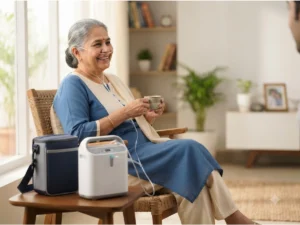
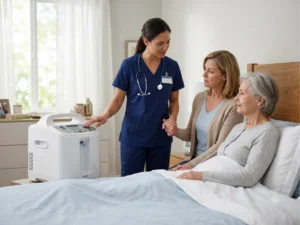
A CPAP machine provides constant air pressure to help hold the airway open while you are sleeping.
Benefits include:
- Better sleep quality
- Reduced snoring
- Improved energy levels
- Better concentration
- Lower blood pressure
- Reduced cardiovascular risk
2. BiPAP Therapy
BiPAP machines deliver varying levels of pressure when breathing in and out.
They are often recommended for:
- Higher pressure requirements.
- Certain respiratory conditions.
- Patients who are unable to use CPAP.
3. Lifestyle Changes
Some people with mild symptoms can improve by making healthy lifestyle changes.
Recommended changes include:
- Weight loss
- Regular exercise
- Restored sleeping on side technique
- Limiting alcohol
- Quitting smoking
- Getting a proper rest and keeping a regular sleep routine
4. Oral Appliances
Custom dental devices are designed to move the jaw and tongue out of the way to maintain an open airway during sleep.
These are typically prescribed for mild to moderate cases.
5. Surgery
If other treatment options have not proven successful, surgery can be considered to remove obstructions from the airways or correct abnormalities in the structure.
Can Sleep Apnea Be Prevented?
Not all cases are preventable, but healthy lifestyle can help minimize the risk.
Prevention tips include:
- Maintaining a healthy weight.
- Exercising regularly.
- Avoiding alcohol before bedtime.
- Treating nasal allergies.
- The other most popular sleeping position is on the side.
- Handling chronic health issues.
- A regular sleeping pattern is established.
Why Early Treatment Matters
Not addressing Sleep Apnea Symptoms can cause years of poor sleep and the associated health risks will increase.
Early diagnosis and proper Sleep Apnea Treatment can:
- Improve sleep quality
- Restore daytime energy
- Reduce blood pressure
- Reduce the risk of heart disease
- Improve mood
- Improve memory and concentration
- Improve work performance
- Promote better weight control
- Enhance the quality of life in general
The earlier the treatment starts, the more health benefits in the long term.
Conclusion
Sleep Apnea Symptoms are not just an inconvenience at night—they can be a sign of a potentially serious Sleep Breathing Disorder that can impact nearly every aspect of your health. The Effects of Sleep Apnea reach beyond disrupted sleep and include heart disease, diabetes, memory issues, mood swings and chronic fatigue. Thankfully, a timely diagnosis and efficient Sleep Apnea Treatment can greatly enhance your sleep quality, restore your energy and decrease the risk of chronic issues. If you or someone you love experiences symptoms that persist, such as loud snoring, breathing pauses, or daytime tiredness, consult your doctor immediately. Doing something today can help you get better sleep, better health and better quality of life. Contact Us Now!
Frequently Asked Questions (FAQs)
1. What are the first symptoms of Sleep Apnea?
Loud snoring and choking during sleep, daytime sleepiness, morning headaches, dry mouth, and problems with concentration are common early symptoms.
2. Is snoring always a sign of Sleep Apnea?
No. Although loud snoring is one of the symptoms, not all snorers suffer from Sleep Apnea. However, if snoring is accompanied by apneas and/or fatigue during the day, it’s necessary to see a health care professional.
3. Can Sleep Apnea go away on its own?
Sleep apnea most often needs treatment. If the symptoms are mild, weight loss and lifestyle modification are sometimes effective, but in moderate to severe cases of Obstructive Sleep Apnea, medical therapy (CPAP or BiPAP) is generally required.
4. What is the best Sleep Apnea Treatment?
The type of treatment depends on the severity and cause. CPAP therapy is commonly used for moderate to severe Obstructive Sleep Apnea and for other cases may be indicated by an oral appliance, lifestyle changes, or surgery.
5. Is there a danger of untreated Sleep Apnea?
Yes. If left untreated, sleep apnea can lead to high blood pressure, heart disease, stroke, diabetes, depression, cognitive impairment and accidents resulting from excessive daytime sleepiness.