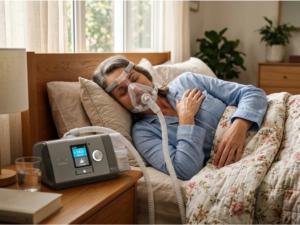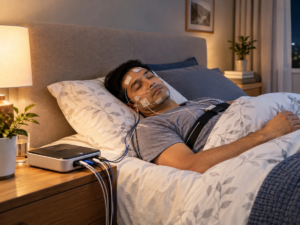
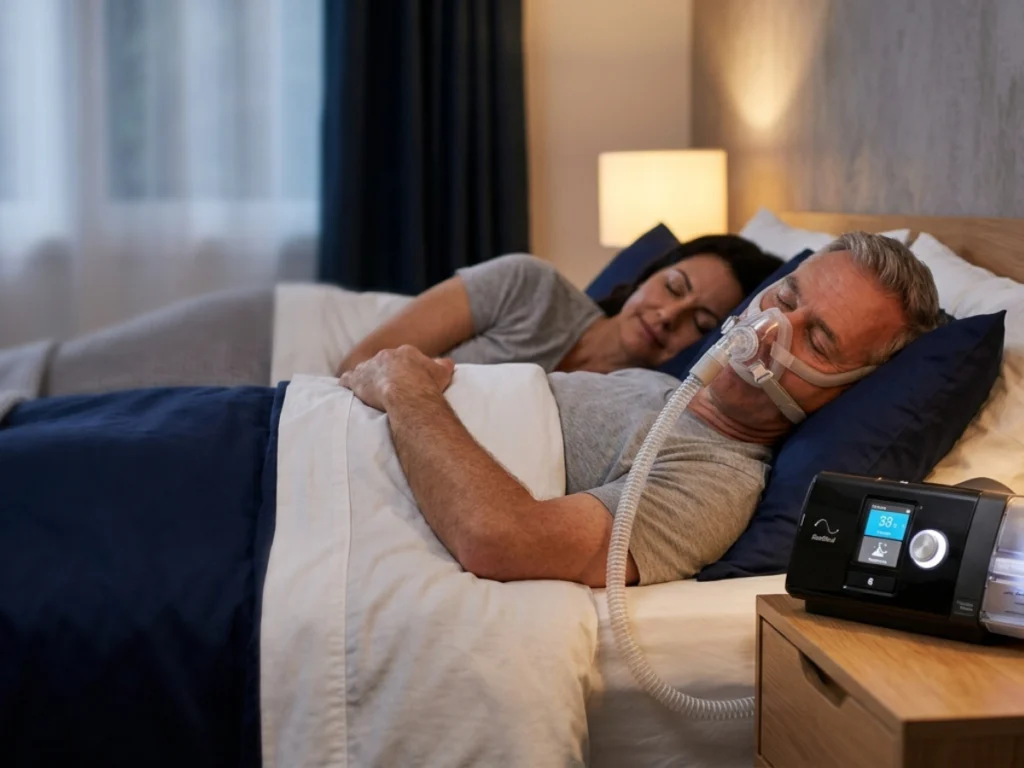
A good night’s rest is essential for good health and comfort while breathing. Using a BiPAP Machine at Home can benefit those suffering from breathing problems or disorders that occur throughout the night for chronic respiratory patients, as well as sleep-related breathing patients. If your doctor recommends using a BiPAP machine for sleep apnea, COPD or any other respiratory disorder, it is important to know how to use it properly for safe and effective treatment.
A BiPAP Machine pumps air at two levels of pressure—higher during inhalation and lower during exhalation—which are easier to breathe at than with a traditional CPAP machine for some individuals. But just having a machine is not the only requirement! It is important to set it up correctly, clean it regularly, ensure the mask fits properly and follow your healthcare provider’s instructions for successful BiPAP therapy.
This guide is designed to answer all your questions about using a BiPAP Machine at Home safely and effectively.
What Is a BiPAP Machine?
A BiPAP Machine (Bilevel Positive Airway Pressure) is a non-invasive ventilation machine that provides pressurized air to the device via a mask to help improve breathing. A difference between the two pressure levels is the difference between a CPAP machine and a BiPAP machine.A CPAP machine delivers a constant pressure while a BiPAP machine delivers two pressures.
- IPAP (Inspiratory Positive Airway Pressure): Positive pressure during inspiration.
- EPAP (Expiratory Positive Airway Pressure): Less pressure during breathing out.
The double-pressure system eases the breathing process, particularly for patients who struggle to exhale with constant pressure.
BiPAP machines are regularly used by doctors for:
- Obstructive sleep apnea (OSA)
- Central Sleep Apnea
- BiPAP for COPD
- Neuromuscular disorders
- Obesity hypoventilation syndrome
- Respiratory muscle weakness
Benefits of Using a BiPAP Machine at Home
When consistently used, there are several health benefits with the use of a BiPAP Machine at Home.
Improves Sleep Quality
BiPAP therapy helps to lessen sleep apnea-related pauses in breathing, allowing users to sleep deeper and more restfully.
Reduces Daytime Fatigue
With improved night time breathing, you’ll have more energy, better focus and less daytime drowsiness.
Supports Respiratory Health
Patients using BiPAP for COPD typically have more comfortable breathing and improved oxygenation.
Enhances Quality of Life
Symptoms such as morning headaches, breathing discomfort, interrupted sleep and snoring are lessened with regular use.
Step-by-Step Guide: How to Use a BiPAP Machine
For those who don’t know How to use a BiPAP machine, here are some steps to follow.
Step 1: Place the Machine Correctly
Place the BiPAP machine on a flat and level surface next to your bed.
Ensure:
- The machine is below the height of your pillow.
- Air Vents are free of obstruction.
- The area is free from dust and dirt.
- There is sufficient ventilation in the machine.
Do not place on soft surfaces or carpets.
Step 2: Connect the Tubing
Securely connect the tubing with
- The BiPAP machine
- The mask
Regularly check the tubing for:
- Cracks
- Holes
- Loose connections
If the tubing is damaged, therapy may not be as effective.
Step 3: Perform Proper BiPAP Mask Fitting
One of the most critical components to successful therapy is correct BiPAP mask fittng.
A good fitting mask should:
- Seal comfortably around your nose or mouth.
- Prevent air leaks.
- Not feel excessively tight.
- Allow easy breathing.
There are a few common types of masks, such as:
- Nasal Mask
- Full Face Mask
- Nasal Pillow Mask
If mask is sore or leaks often, seek your health care provider’s advice for adjustments.
Step 4: Turn the Machine On
The majority of current BiPAP machines possess:
- Auto Start
- Ramp Feature
- Humidifier
- Pressure Display
Once you wear the mask:
- Relax your breathing.
- Gradually allow the machine time to adjust.
- Do not take off the mask often at night.
Step 5: Breathe Normally
With BiPAP therapy, breathe normally.
Avoid:
- Holding your breath.
- Fighting the airflow.
- Talking too much while wearing the mask.
Most users get used to it in a few nights.
Step 6: Use It Every Night
For maximum effectiveness:
- Use the BiPAP machine every night.
- If advised, wear it for nap time.
- Take for the prescribed length of time by your doctor.
To be successful with BiPAP therapy, it is important to be consistent.
Also Read: Best Sleeping Positions for People with Sleep Apnea
Safety Tips for Using a BiPAP Machine at Home
Safe operation ensures effective treatment with minimal complications.
Wash Your Hands
Always wash hands before handling:
- The mask
- Tubing
- Humidifier chamber
Clean the Equipment Regularly
Cleaning every day helps to decrease bacteria, mould and allergens.
Clean:
- Mask cushion
- Tubing
- Humidifier chamber
Once a week, the following should be cleaned:
- Headgear
- Filters (if reusable)
Use Distilled Water
If you have a humidifier in your machine:
Use distilled water only!
Avoid:
- Tap water
- Mineral water
- Flavoured water
This helps to avoid mineral accumulation and contamination.
Check Air Filters
Dirty filters decrease airflow.
Change disposable filters as per manufacturer’s recommendation.
Clean reusable filters frequently.
Avoid Smoking Near the Machine
Smoke particles can harm the equipment and exacerbate breathing problems.
Do not use smoke alarms in the room.
Keep Pets Away
Air filters and air filter (air duct) tubes may become clogged with pet hair.
Place the machine in a clean location.
Common Mistakes to Avoid
It can be easy to do things wrong the first time.
Skipping Therapy
Using treatment occasionally reduces the effectiveness of treatment.
Every day is needed.
Poor Mask Fit
If the BiPAP mask fitting improperly, there will be causes of improper fitting:
- Air leaks
- Dry eyes
- Facial marks
- Poor sleep
Ignoring Cleaning
Infections are more likely to occur if equipment is dirty.
Maintain a regular cleaning schedule.
Changing Pressure Settings Yourself
Do not change recommended pressure settings without the advice of your doctor.
Setting the wrong values could exacerbate breathing issues.
Blocking Air Vents
Always ensure machine vents remain open.
Poor venting efficiency occurs if vents are blocked.
Cleaning Your BiPAP Machine
Maintenance is essential to prolonging the life of equipment.
Daily Cleaning
Clean:
- Mask cushion
- Water chamber
- Mask frame
Use:
- Mild soap
- Warm water
Let all things dry thoroughly.
Weekly Cleaning
Wash:
- Tubing
- Headgear
- Humidifier chamber
Check for all wear and damage to parts.
Monthly Maintenance
Check:
- Filters
- Tubing condition
- Power cord
- Mask cushion
Change worn parts in a timely manner.
Troubleshooting Common Problems
Air Leaks
Possible causes:
- Loose mask
- Worn cushion
- Incorrect mask size
Solution:
Refit or replace the mask
Dry Nose or Mouth
Use humidifier function.
If recommended, increase humidity if necessary.
Skin Irritation
Wash your face before going to bed.
Wash the mask daily.
Adjust headgear tension.
Wear mask liners (if needed).
Difficulty Sleeping
When a new user first starts using it, it takes a few nights to get used to it.
Take advantage of the ramp and try putting the mask on before going to sleep.
Noise from the Machine
Check:
- Tubing connections.
- Filter cleanliness.
- Humidifier chamber.
Replace damaged components.
Who Can Benefit from BiPAP Therapy?
BiPAP therapy may be recommended for individuals who suffer from:
- Taking opioids, which have been linked to sleep apnea.
- Central sleep apnea.
- BiPAP for COPD.
- Neuromuscular disorders.
- Respiratory failure.
- Obesity hypoventilation syndrome.
Don’t begin treatment without consulting your doctor.
Tips for Comfortable BiPAP Therapy
Therapy can be made more comfortable by making some small changes.
- Follow a regular bedtime routine.
- Replace masks as recommended.
- Clean equipment regularly.
- Sleep on your side, if comfortable.
- Maintain cool and clean bedroom.
- Stay hydrated.
- If necessary, sleep on a CPAP/BiPAP pillow.
- Regularly check back with your sleep specialist.
When to Contact Your Doctor
If you have any of the following symptoms, seek medical advice:
- Persistent breathing difficulty.
- Chest pain.
- Severe mask discomfort.
- Frequent air leaks.
- Skin sores.
- Dry mouth after humidification or misting of the plant.
- Worsening COPD symptoms.
- Machine malfunction.
Do not dismiss any symptoms that impact treatment.
Frequently Asked Questions
Is it OK to use a BIPAP machine nightly?
Yes. For optimal treatment, most patients are prescribed their BiPAP Machine at Home nightly.
So, what is better than CPAP — BiPAP?
This will depend on your condition. BiPAP machine offers two pressure levels, which is beneficial for patients with COPD or those who need more pressure.
When should I change my BiPAP machine?
Mask, humidifier chamber should be cleaned every day, tubing, reusable filters should be cleaned every week.
May I bring a BiPAP machine?
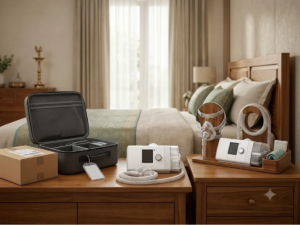
Yes. Most modern BiPAP machines are portable and are approved for travel. Use the protective sleeve when carrying and adhere to the regulations of the airline when flying.
What’s the life expectancy of a BiPAP machine?
A BiPAP Machine life is approximately 5 years with regular maintenance, however masks, tubing, cushions and filters need to be replaced more often.
Conclusion
It’s important to use a BiPAP Machine at home safely to reap the treatment’s benefits. There are many steps involved in proper use, the BiPAP mask fitting, regular cleaning and maintenance, and all of these steps play a part in achieving effective BiPAP therapy. If you suffer from COPD, sleep apnea or other breathing disorders, you can achieve better breathing, sleep and health with BiPAP if you use it as your health care provider prescribes, every night. You can use BiPAP therapy at home for safe, comfortable and enhanced respiratory support, while integrating it into your daily routine. Contact Us Today!