Sleep apnea is a frequent sleep related breathing problem that could adversely impact the quality of sleep and your overall health. It occurs when breathing regularly stops and starts while sleeping. These interrupted respirations typically happen during sleep, so many people may not be aware of this issue.
Early recognition of the Signs and Symptoms of Sleep Apnea help you to get the right medical advice and take action to improve sleep. Some symptoms can be easily identified, like loud snoring at night, and others are noticed during the day as fatigue, sleepiness or headaches in the morning.
It’s particularly important to recognize the Signs of sleep apnea if you or loved one experience abnormal breathing patterns during sleep. If one is aware of the problem early, then they can be evaluated quickly and, if the need arises, a professional Sleep apnea diagnosis can be made.
What Is Sleep Apnea?
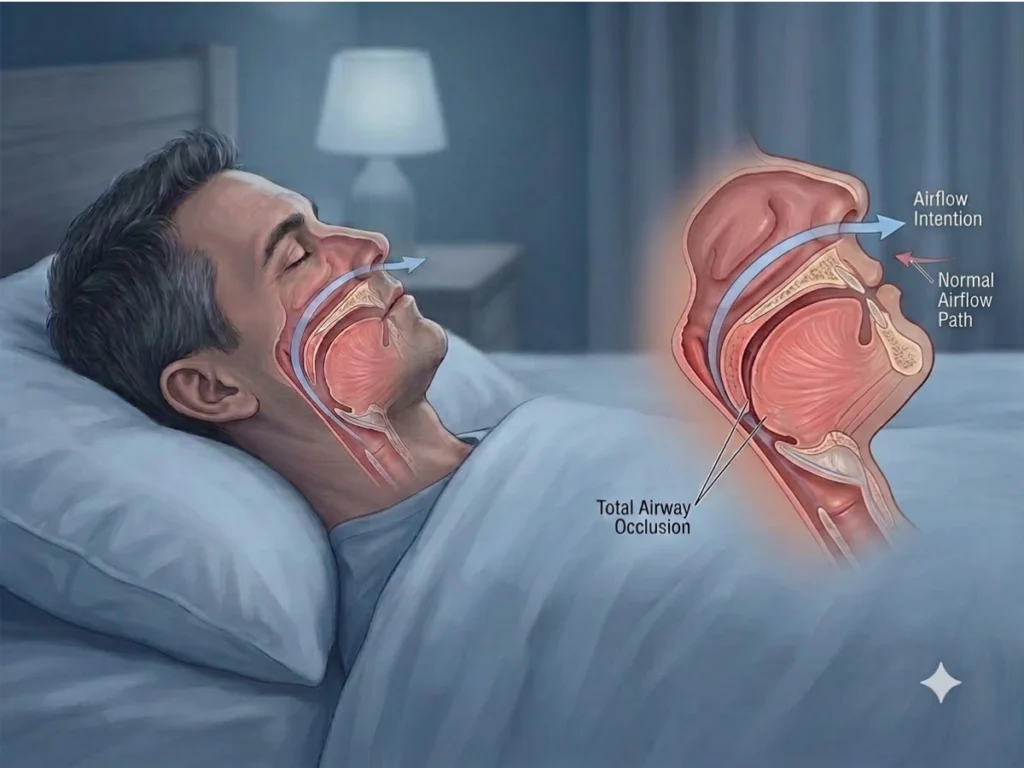
Sleep apnea is a disorder that occurs when breathing stops or becomes abnormally shallow many times during sleep. These pauses can be for several seconds or more and can happen hundreds of times during the night.
There are various forms of sleep apnea. The most common is obstructive sleep apnea (OSA), which occurs when the upper airway becomes blocked or narrowed during sleep. Central sleep apnea is less frequent and is a result of the brain signaling the muscles to breathe incorrectly.
Breathing pauses, no matter what they are, can cause disruptions to sleep. A person can wake up or go in and out of sleep without realising it the following morning.
Common Symptoms of Sleep Apnea
The symptoms of sleep apnea may differ from person to person. Some people may experience several signs, while others may have only one or two. One of the most common symptoms is loud and frequent snoring.
1. Loud and Frequent Snoring
One of the most obvious signs of obstructive sleep apnea is loud, chronic snoring. But, not all snorers suffer from sleep apnea.
An increasing amount of snoring may be more serious if it is followed by pauses in breathing, choking noises or gasping sounds while sleeping. When a partner or family member routinely observes these behaviors, it is important to talk with a health-care provider about them.
2. Pauses in Breathing During Sleep
Repeated pauses in breathing is one of the important Signs of sleep apnea. May briefly cease breathing and then gasp, snort, or choke to resume breathing.
The individual who has these episodes may not know they are occurring since they are sleeping. This warning sign can be the first to alert a bed partner.
3. Waking Up Gasping or Choking
Some sleep apnea sufferers get out of bed suddenly due to shortness of breath, gasping or choking.
The episodes can keep one from sleeping in a normal fashion and can occur many times during the night. This is not something that should be overlooked if it occurs regularly.
4. Morning Headaches
One of the other symptoms is waking up with a headache, especially if it occurs often. In some, sleeping problems and night time breathing disturbances can cause morning headaches.
But there are lots of different causes of a head ache. Only a health care provider can help find out if they are possibly associated with sleep apnea or another condition.
5. Excessive Daytime Sleepiness
As drowsiness after a seemingly full night’s rest is an important warning sign, it may indicate that your sleep is of poor quality or you are not getting enough sleep.
The sleep episodes that are interrupted by repeated night time breathing may not provide the body with a good night’s sleep. This makes someone feel sleepy in the day, may not sleep through the night, or may not have energy for normal activities.
Excessive daytime sleepiness also may impact work, school, driving, and other daily activities.
Also Read: CPAP Therapy Tips for Beginners: Simple Guide to Success
6. Difficulty Concentrating
If sleep is inadequate, it can impact on the ability to focus, remember and concentrate. Sleep apnea sufferers can have difficulty concentrating on tasks or recalling information.
When concentration is a problem and there is loud snoring, excessive daytime sleepiness, or any other Sleep Apnea Symptoms, a professional evaluation might be warranted.
7. Mood Changes and Irritability
Sleep plays an important role in emotional well-being. If sleep is frequently interrupted, some may feel irritable, experience mood swings, be frustrated, or lack motivation.
While these symptoms may have a number of causes, recurrent sleep issues warrant a conversation with a health care provider.
8. Dry Mouth or Sore Throat in the Morning
Sometimes individuals who breathe their mouth while sleeping get a sore throat or dry mouth upon waking.
This symptom may not be a sign of sleep apnea, but it can be helpful to keep in mind in conjunction with other Sleep apnea warning signs, including snoring or interruptions in breathing during the night.
9. Restless or Poor-Quality Sleep
Those suffering from sleep apnea could move around a lot during sleep or wake up often. They may not recall being able to sleep, but even so their sleep may be disrupted.
Consequently, they may feel like they are not getting a good night’s rest, despite the amount of time they are in bed.
Sleep Apnea Warning Signs You Should Not Ignore
Certain signs of Sleep apnea warrant attention, particularly if multiple signs co-exist.
These may include:
- Loud, persistent snoring
- Sleep apnoea (when breathing ceases more than three times an hour)
- Gasping, choking or snorting during the night
- Excessive daytime sleepiness
- Frequent morning headaches
- Difficulty concentrating
- Mouth becomes dry when you wake up
- Restless sleep
- Inability to concentrate
- Difficulty sleeping without fatigue or exhaustion
Having one symptom does not necessarily mean you have sleep apnea. But when several of these symptoms occur regularly, it’s time to seek professional advice.
Who May Be at Risk of Sleep Apnea?
Anyone of any age or size can suffer from sleep apnea. Some things might make it more likely to get obstructive sleep apnea.
These may include obesity, age, some upper airway abnormalities, a family history of sleep apnoea and some medical conditions.
Men are also at slightly greater risk of OSA (although women can be affected also). Sleep apnea may also be experienced by children—sometimes presenting different symptoms than adults.
Risk factors differ and appearance or age should not be the only determining factor when assessing whether or not sleep apnea may be present.
Why Early Recognition Matters
Early identification Symptoms of Sleep Apnea’s can prompt people to get the proper evaluation rather than dismissing ongoing sleep issues.
Lack of quality sleep may impact your alertness, concentration, mood, and quality of life during the day. Sleep apnea also can have other health implications, if not treated.
If you have symptoms regularly, or someone by you observes that you are having breathing pauses during sleep, you may want to talk to a trusted health care provider about them.
How Is Sleep Apnea Diagnosed?
The first step in a Sleep Apnea diagnosis will involve a discussion of your sleep symptoms, sleep patterns, medical history, and risk factors.
A sleep study may be suggested by a health care provider to track various functions of the body when sleeping. This can be done at a sleep centre or, in some instances, in the comfort of your home with suitable monitoring.
During a sleep study, various data can be collected related to sleep, including breathing patterns, oxygen levels, heart rate, and more.
The results can be used by a qualified physician to decide if the person has sleep apnea and what the level of sleep apnea is.
Keep in mind that online symptom quizzes are not a diagnosis. Sleep apnea diagnosis should be given via the appropriate medical assessment.
What Happens After Diagnosis?
What’s Next After the Diagnosis? Treatment for sleep apnea depends on the type and severity of the sleep apnea and individual circumstances if there is a diagnosis.
Lifestyle changes, positioning, mouth appliances, positive airway pressure therapy, or other suitable treatment options may be recommended by a healthcare professional.
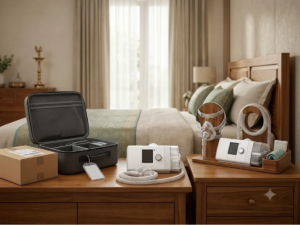
Often CPAP therapy is used with OSA. A CPAP machine uses a mask to deliver a constant air pressure that keeps the airway open while you sleep.
Others might need other types of positive airway pressure therapy based on their needs. Treatment needs to be chosen with advice from a trained health care worker.
Also Read: BiPAP Machine Price in India: Complete Buying Guide
When Should You Talk to a Doctor?
If you are having several Sleep Apnea Symptoms frequently, you may want to discuss this with your health care provider, especially if you notice gaps in your breathing while sleeping.
If daytime sleepiness is interfering with your ability to function normally or if you often wake gasping or choking, then it is best to also speak to a professional.
When combined with other Signs of sleep apnea, loud snoring shouldn’t be dismissed as a normal part of sleeping.
A professional assessment will help uncover the cause of the symptoms you are experiencing and find out if a sleep study or other assessment should be performed.
Final Thoughts
Understanding the first Symptoms of Sleep Apnea can help you understand when you are having sleep issues that are going on for too long to be ignored. Some of the symptoms to discuss with a health professional include loud snoring, pauses in breathing, gasping while sleeping, excessive daytime sleepiness, headaches in the morning and trouble concentrating.
Sleep apnea symptoms, if they happen often or together, should not be overlooked. If you or your partner observes the same breathing pauses repeatedly, it might be helpful to have a healthcare professional assess you for an appropriate evaluation.
Being aware early and receiving an accurate Sleep apnea diagnosis helps determine the appropriate treatment. Being able to recognise the Signs of sleep apnea is an important first step toward treating ongoing sleep apnea symptoms and improving sleep. Contact Us Today!
Need a CPAP Machine, BiPAP Machine or Oxygen Concentrator?
Contact SNK Global Consultancy for availability, rental and purchase options.
📞 Call Now | 💬 WhatsApp Now
Frequently Asked Questions
1. What are the most common Sleep Apnea Symptoms?
Loud snoring, sleep apnoea (episodes of breathing cessation), gasping or choking during sleep, sleepiness in the daytime, headache in the morning, poor concentration, dry mouth and restless sleep are common symptoms.
2. Is it possible to suffer from sleep apnea without snoring?
Yes. While loud snoring is one of the symptoms of sleep apnea, not all people who have sleep apnea snore loudly. There are other symptoms and risk factors to be taken into account.
3. What’s the diagnosis for sleep apnea?
Your physician can conduct a sleep study as needed, based on your symptoms and medical history. The study will track breathing and other body functions while a person is sleeping.
4. Does sleep apnea impact any activities during the day?
Yes. Insufficient sleep can cause people to feel sleepy throughout the day, lack focus, experience mood swings and have less energy. These effects may make it difficult to work, study, drive, or do daily activities.
5. Can sleep apnea be treated?
Yes. Lots of sleep apnea situations can be treated successfully. Treatment can range from lifestyle changes, to CPAP therapy, oral appliances, and other methods prescribed by a health care provider depending on the type and level of severity.