It may be uncomfortable at first to start using CPAP therapy if you have never previously been on a CPAP machine. It may take some time for beginners to get used to wearing a mask, breathing at night, and establishing a regular sleep pattern. With proper use and a little practice, though, these CPAP Therapy Tips can help you make CPAP therapy a comfortable part of your life.
Continuous Positive Airway Pressure (CPAP) therapy is often employed to help keep OSA under control. The machine supplies a constant stream of air pressure via a mask that helps maintain airways open during sleep. Use of the correct equipment and adherence to your treatment plan can make a big difference in your experience.
This guide explains CPAP tips, equipment care, CPAP mask comfort, and habits to help you achieve with CPAP therapy success.
What Is CPAP Therapy?
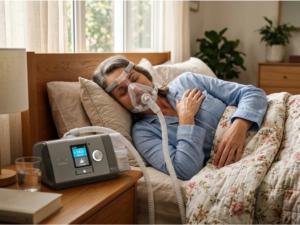
CPAP Therapy is a remedy frequently prescribed to those that suffer from obstructive sleep apnea. The upper airway may collapse during sleep, disrupting breathing multiple times. CPAP therapy is delivered via a mask that will help keep the airway open while you are asleep by supplying continuous positive airway pressure.
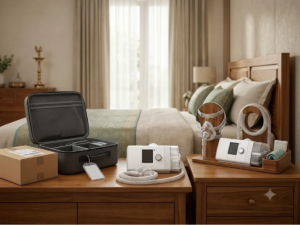
The CPAP machine, tubing, mask, and humidification system (if prescribed or supplied with the machine) form the basic components of a typical CPAP system. The settings of the machine should be set by a trained healthcare provider according to your specific treatment.
It can be helpful for beginners to grasp the functions of each part so they can better navigate the transition.
Why Is CPAP Therapy Important?
Prescribed CPAP therapy helps to control sleep apnea and enhance sleep. If an individual can successfully treat sleep apnea, they may see an improvement in the symptoms of the sleep disorder, including nighttime stoppage of breathing, loud snoring, and daytime sleepiness.
Benefits of CPAP therapy can offer such as:
- Management of Obstructive Sleep Apnea.
- Improved nighttime breathing.
- Less disruption to sleep associated with breathing events.
- For a lot of users, they feel they sleep more soundly.
- A decrease in daytime tiredness from sleep apnea.
- More comfortable following a sleep schedule.
This can vary from person to person and it is important that you follow your health care provider’s advice and have follow-up visits.
Choosing a CPAP Machine for Beginners
You can make things so much easier if you’re using the right equipment. When choosing a CPAP machine for beginner, it is important to consider your prescribed therapy needs, comfort level and expert advice.
Certain CPAP machines will have extra functions such as data tracking, ramp features, heated humidification and automatic pressure modification. But the more features a machine offers, the better it isn’t necessarily for everyone.
When looking into a CPAP machine, talk about the following:
- The required therapy or pressure shall be specified.
- Machine type and the different therapy modes available.
- Mask compatibility.
- Humidification options.
- Noise level.
- Data monitoring capabilities.
- Cleaning and maintenance is easy.
- Practical warranty and after-sales service.
Don’t trust the price tag of the machine as the sole indicator of which one to buy; talk to a sleep specialist or qualified health care professional.
Also Read: BiPAP Machine Price in India: Complete Buying Guide
CPAP Therapy Tips: Start Slowly and Give Yourself Time
This is one of the most helpful CPAP tips for new users. It may take time for your body and mind to become comfortable with CPAP therapy.
Others adapt quickly and others will require a few nights or weeks to get into the habit. If unusual feeling occurs with the new mask, this doesn’t necessarily indicate that CPAP will be uncomfortable.
You can practice wearing the mask during the day for brief periods of time while awake. For instance, wear it when reading or watching TV and get accustomed to the feeling of the air. This can make the use at night time less foreign.
The aim is to build up confidence using your kit and working on your treatment plan.
Find the Right CPAP Mask
Comfort is a crucial part of wearing a mask. There are several different types of masks and it can be easier to find a mask that suits your needs when using CPAP therapy.
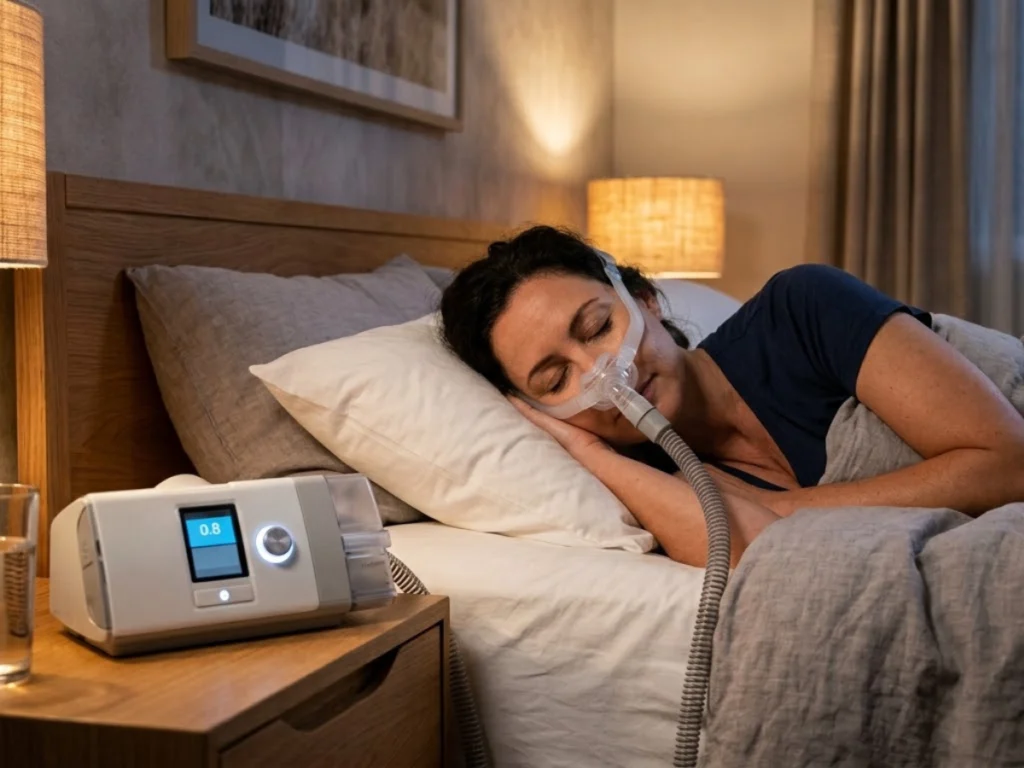
Nasal masks, nasal pillow masks and full-face masks are common types of masks. It may be dependent upon the way you breathe, your comfort level, your facial shape and your sleep style if you breathe through your mouth at night.
CPAP Mask Tips for Beginners
These are a few tips on how to use a CPAP mask:
- Ensure that the mask fits snugly, but not so tight to cause discomfort.
- Check for air leaks around the edges.
- Follow the manufacturer’s instructions for keeping the mask clean.
- Don’t over tighten straps to stop a leak.
- Replace worn cushions, pillows or other parts as suggested.
- Talk to your health care professional or equipment company about on-going pain.
Too tight mask will cause pressure marks and discomfort, too loose mask will leak. It’s much more effective to adjust the straps properly rather than just tighten them.
Manage Air Leaks
One of the most frequent problems experienced by new CPAP users is air leaks. Occasional leakages may occur but continuous leakages can have a negative impact on comfort and may cause the treatment to be hampered.
If you see air coming out around the mask, check to see if the mask is on properly. Tighten straps gently—don’t tighten to the maximum.
Check the cushion, tubing and connections for wear or damage.
If leaks persist after you adjust the mask properly, check with your healthcare provider or equipment professional to see if a different mask size or style would be better.
Keep Your CPAP Equipment Clean
One of the important components of CPAP equipment maintenance is regular cleaning. Clean the machine and mask according to the manufacturer’s guidelines.
In general, users need to be aware of components like:
- Use mask cushion or nasal pillows
- Mask frame
- Tubing
- Water chamber (if applicable)
- Filters as recommended by the manufacturer
Don’t use cleaning methods or chemicals that are not recommended for your equipment. Maintenance can be beneficial in keeping the equipment in good condition and ensure a comfortable therapy experience.
Create a Consistent Sleep Routine
Regularity can help with CPAP therapy success. Follow the recommended treatment plan and use your CPAP device all the time when you sleep, and try to keep the same sleep and wake up time.
Keep CPAP machine in easy-to-reach place close to the bed. Make sure to tidy up the tubing so it doesn’t get knotted up overnight.
You can also establish a simple sleep routine by making sure you put your mask on, check the tubing connection and make sure your machine is in a safe place.
If you make using CPAP a regular part of your bedtime routine, it should ultimately become a second nature to you.
Use Humidification if Appropriate
Dryness of the mouth and/or nose can occur as a side effect of starting CPAP. A heated humidifier can make a difference for increased comfort, depending on the equipment and treatment.
If you have any continuous dryness, congestion or irritation, talk to your health care provider/equipment professional. Other factors such as the type of mask worn and room conditions can also influence comfort, and humidity settings may need to be adjusted.
Don’t assume that raising humidity will make things better. Ideal setting may differ from user to user.
Deal With Common Beginner Problems
Questions or some challenges in the adaptation period are common for beginners.
Feeling Claustrophobic
If wearing a mask is uncomfortable or claustrophobic, try to wear it while awake for short periods of time. Slow breathing and exposure will help to make it more comfortable.
If this happens, talk to your healthcare provider about other types of masks.
Removing the Mask During Sleep
Some young novices unconsciously take their mask off while sleeping. This can occur as you become accustomed to CPAP equipment.
Establish a bedtime routine and ensure that your mask is comfortable before retiring to sleep at night. Talk to your health care provider if the problem persists.
Dry Mouth
A few who use CPAP may also experience dry mouth, especially if they use it while sleeping through their mouth. Your healthcare professional will be able to check that another factor, humidification or mask type, could be causing this.
Skin Irritation
Pressure marks or irritation may result from an improper mask fit. Wash mask often and do not tighten the straps too much. If the skin issues continue for a long period of time, consult a health care professional.
Also Read: Top Benefits of Portable Oxygen Devices for Daily Life
Important CPAP Machine Tips
With just a few simple tips on CPAP machine tips, you can keep your machine in optimal performance and establish new habits:
- Follow the treatment plan for your CPAP machine.
- Place the machine on a flat surface, close to your bed.
- Regularly inspect tubing and connections.
- Wash equipment following manufacturers’ directions.
- Clean and replace filter and/or mask components as recommended.
- Never adjust the pressure setting without expert advice.
- Keep the machine away from water and unsafe locations.
- If you still have any issues, reach out to your health care professional.
These are easy to do and help your equipment work more easily and remain in good condition.
Do Not Change Pressure Settings on Your Own
An important guideline for novices to CPAP is to not adjust the pressure level settings without the direction of their physician.
CPAP pressure is a part of your medical treatment. If you think it is too high, too low or uncomfortable, talk to your healthcare provider or sleep specialist.
Rather than making settings adjustments, describe the symptoms/difficulty you are having. Your provider will know if an adjustment, mask change, or further evaluation is needed.
Track Your Progress
Some contemporary CPAP machines are able to keep records of therapy data. Data can be usage time, mask leaks, and other data related to the therapy.
The progress monitor will assist you and your healthcare professional in understanding your consistency in equipment use and if further equipment modification is required.
Keep in mind that the use of the CPAP machine is not just hours on and off. Having the equipment in proper working order and dealing with chronic issues are also crucial parts of the treatment.
When to Contact Your Healthcare Provider
If you have any persistent problems with CPAP treatment, you should get help from a professional, including:
- Persistent mask leaks
- Significant discomfort
- Repeatedly taking off the mask at night
- Excessive dryness or irritation of the nose
- Inability to withstand prescribed pressure
- Prolonged daytime sleepiness (more than three times a week)
- Issues related to your machine or mask
Your health care provider can evaluate the problem and make the necessary changes.
How to Improve CPAP Therapy Success
CPAP therapy success typically takes time. Some good practices can facilitate the adjustment:
- Follow your CPAP prescription.
- Select a mask that is comfortable and fits well.
- Maintain clean equipment.
- Follow a daily sleep routine.
- Handle leaks and discomfort ASAP.
- Keep follow-up appointments.
- Seek clarification if you don’t know how to use your equipment.
- Do not make prescription changes without professional advice.
The most important thing is to find solutions when problems occur instead of giving up on therapy.
Final Thoughts
CPAP Therapy may be a patient process, but following the instruction on how to use your device properly can make it much easier. Whether you’re looking for a CPAP machine beginners, CPAP tips or machine on setting it up for the perfect first time, here are some small steps that can benefit your comfort and the consistency of your CPAP treatment.
Keep in mind important CPAP machine tips: keep your machine in good order, inspect for leaks, clean your machine following directions, and always use the machine as prescribed. Correctly using CPAP mask tips can also help to make the CPAP more comfortable and enjoyable.
Most importantly, be sure to talk with your health care provider about continuing issues, don’t make adjustments to your CPAP therapy without consulting your provider. By using CPAP regularly, with the proper equipment and professional guidance, you can make strides towards improved CPAP success and more comfortable sleep apnea treatment. Contact Us Today!
Need a CPAP Machine, BiPAP machine, or Oxygen Concentrator?
Contact SNK Global Consultancy for availability, rental and purchase options.
📞 Call Now | 💬 WhatsApp Now
FAQs About CPAP Therapy
1. What is CPAP therapy? How does it work?
CPAP Therapy involves delivering a continuous stream of air through the mask to keep the airway open while sleeping. It is commonly prescribed to treat OSA.
2. How long does it take to get used to CPAP therapy?
It may take several weeks or a few nights to get used to using CPAP. It will be easier to adjust to wearing the mask while conscious and following the same bedtime schedule.
3. What type of CPAP mask should I get?
The mask that fits best for you is determined by your breathing patterns, comfort, facial dimensions, and therapeutic needs. There are a variety of masks available, such as nasal masks, nasal pillow masks, or full-face masks. You can talk to a health care provider to determine a suitable option.
4. If my CPAP mask is leaking, what should I do?
Check the position of the mask, and adjust the straps gently. Don’t over tighten the mask. If more leakage occurs, inspect the cushion and tubing, and consult your health care provider or mask fitter to get a more comfortable mask.
5. Does CPAP help you sleep better?
If used correctly, CPAP treatment can control OSA, and it can enhance breathing and sleep quality during sleep. Results may differ from person to person, and regular check-ups with a health care provider are necessary.