Oxygen is vital to the proper functioning of the body. If a person struggles to keep their oxygen levels up, he or she might be prescribed supplemental oxygen as part of his or her care plan. Stick-and-stick oxygen systems can sometimes make it difficult to go about your daily life due to their size, weight, or mobility. Portable Oxygen Devices offer a convenient solution for individuals who require oxygen assistance but want to remain as independent and mobile as possible.
Today’s portable oxygen therapy options are engineered to make access to oxygen therapy more convenient at home and beyond. These devices can increase your ability to perform everyday tasks, navigate, make appointments, or spend time with your family, all while not being tethered to a single place.
What Are Portable Oxygen Devices?
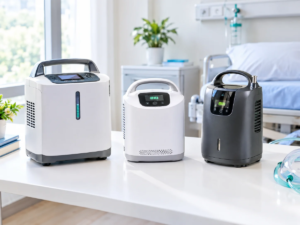
Portable Oxygen Devices: Oxygen support system which is easier to carry or move than traditional stationary oxygen equipment. They come in various forms and sizes, and the right model for a user will be determined by their oxygen flow, length of time they require them to last, lifestyle and their doctor’s advice.
A Portable oxygen machine can be beneficial for people who use supplemental oxygen, but still want to be active. There are devices that are designed to be mobile and other oxygen delivery devices that can be part of a larger oxygen setup at home.
It must be recognised that the choice of portable oxygen equipment must be made based on medical need and not on appearance or cost or on being portable. A healthcare professional should evaluate if supplemental oxygen is needed and what the oxygen delivery settings should be.
1. Greater Freedom and Mobility
Portable Oxygen Devices offer a significant benefit in terms of increased mobility. A traditional stationary oxygen system can restrict someone’s mobility from one room to another or the ability to get out of the house easily. Portable equipment can be easier to use and help to maintain daily activities following a prescribed oxygen plan.
A person might be able to walk around the house, go to friends or family, visit doctors, etc., and do appropriate outdoor activities. This increased flexibility can make oxygen therapy seem more comfortable.
For those who wish to preserve a feeling of independence and take care of their respiratory illness, mobility is particularly beneficial.
2. Convenient Portable Oxygen Therapy
Portable oxygen therapy is available to provide oxygen support at various times of the day. Rather than having only stationary equipment, users might also be able to use equipment which is easier to transport.
Portable systems can be battery powered or use other power sources depending on the type of system. Battery life is different for each model, and relies on oxygen settings, usage time, battery condition and device configuration.
Users should ensure their equipment is adequate to their needs and that they have a suitable contingency plan if one is needed before leaving home.
3. Supports an Active Daily Routine
In cases where supplemental oxygen is required, it does not necessarily mean that the person has to discontinue normal daily activities. Some are able to be active (with proper medical advice and appropriate Portable Oxygen Devices).
Daily activities may include:
- Strolling around the house.
- Playing with a child’s toys and activities.
- Going to medical appointments.
- Purchasing supplies for the home.
- Spending time outdoors.
- Participating in suitable social activities.
- To go places on a medical basis when it is appropriate.
The goal here isn’t to push people to get more physical activity, it’s to allow more flexibility for those who have oxygen on prescription.
Also Read: Understanding How an Oxygen Concentrator Works
4. Easy-to-Carry Oxygen Equipment
Portable oxygen equipment are typically very user friendly. Depending on the model, equipment can be small and light enough to be carried in a shoulder bag, backpack or specially designed carrying case.
The actual weight and how it is carried varies greatly from product to product. So, it is essential for users to take into account their strength, mobility, oxygen needs, and lifestyle when choosing a device.
If someone uses equipment regularly at various locations, selecting the proper size may make oxygen therapy more convenient to use.
5. Useful for Home Oxygen Therapy
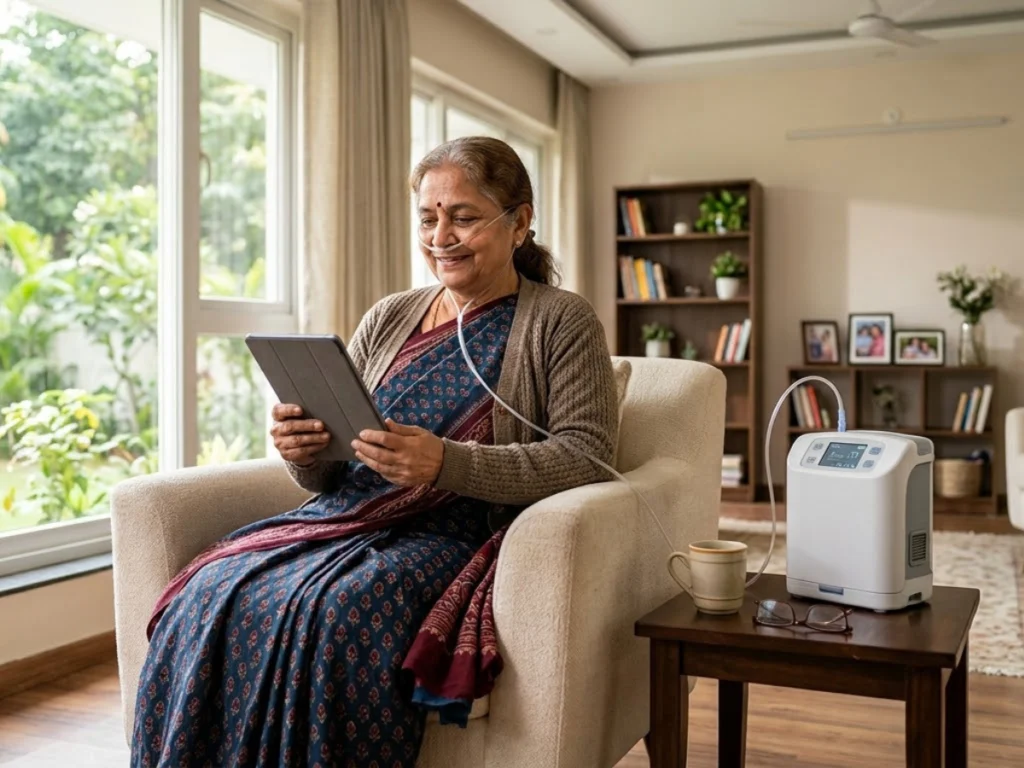
The term ‘portable’ might lead one to believe that it is for use outdoors, but portable equipment also helps with Home oxygen therapy. An individual could require oxygen at various locations in the home instead of keeping it next to a single unit.
Such as, portable equipment can offer more flexibility when moving from a bedroom to a living room, dining area or another appropriate location.
Users must however follow the directions indicated by their healthcare professional and equipment supplier. To use oxygen at the recommended flow rate and time, don’t alter the settings by themselves.
6. Convenient for Travel
Travel can present more challenges when oxygen is required. Using Portable Oxygen Devices can help to make travel easier that otherwise would be impossible if someone were required to use larger stationary oxygen equipment throughout their journey.
Depending on the device and means of transport, the user can bring suitable oxygen equipment to the trip in a car or other approved means. There are extra requirements for air travel and not all oxygen devices are certified for use on aircraft.
Before traveling, users should:
- Talk to their health care provider about their trip.
- Check the device’s travel requirements.
- Bring a sufficient number of batteries.
- Have required accessories on hand.
- Check transportation or airline needs before in hand.
- Bring relevant medical history, as needed.
Fore-planning can help minimise interruption to an individual’s oxygen therapy regime.
7. More Flexible Oxygen Solutions
There is no single oxygen system that is ideal for everyone. People’s medical and lifestyle needs are different. For those who require more flexibility, portable oxygen solutions are available.
Factors that might be important when choosing oxygen equipment include:
- Prescribed oxygen flow
- Defined use requirements, either as ongoing or as specified
- Device weight
- Battery life
- Ease of operation
- Noise level
- Portability
- Maintenance requirements
- There is a lot of service and support available
- Understanding of user’s lifestyle
Medical needs and advice is always the best guide as to the best option.
8. Can Support Greater Independence
Close proximity of a stationary oxygen system may have an impact on a person’s independence. Portable Oxygen Devices can enable the individual user, who qualifies for oxygen, to move around without the need to stop their oxygen treatment.
This can help some people feel more capable for carrying out their daily activities. Users may also be able to maintain social connections and routines by being able to move around the home or engage in suitable activities away from the home.
Portable equipment is not to be considered a substitute for medical care, however. An appropriate tool which can support an oxygen therapy plan when appropriately prescribed and used.
9. Different Oxygen Therapy Devices Are Available
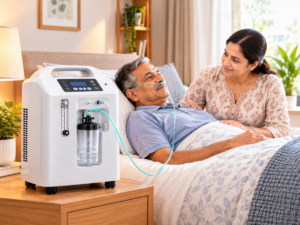
Oxygen therapy devices are of several types and are used for several different purposes. These may include stationary oxygen concentrator, portable oxygen concentrator, oxygen cylinder and any other oxygen delivery system.
There are pros and cons to each type.
Depending on who requires oxygen at home the most, a stationary system might work best, or a portable one might. You can get oxygen from stored oxygen cylinders or from systems using oxygen concentrators which extract oxygen from the air.
Users should never make equipment selection based on convenience or cost as oxygen demands can be different. A healthcare professional should make a decision on the type of oxygen system that is suitable.
10. Helps Make Everyday Activities More Convenient
Oxygen equipment that is difficult to move can cause small everyday activities to be challenging. Some of these practical challenges can be overcome with portable equipment.
For instance, a suitable device can allow someone to travel from one room to another, to a nearby place or to an appointment without having to use a stationary oxygen device for the entire time.
For those who require oxygen on a regular basis, the ease of use may be especially beneficial as they look to make their equipment more convenient to use in their daily lives.
Choosing the Right Portable Oxygen Device
When you need to choose portable oxygen devices, it’s not just about the size or price. All equipment has to be in accordance with the medical needs of the user.
Important factors include the prescribed oxygen flow, whether oxygen is needed continuously or during specific activities, expected daily usage, portability, battery requirements, and the user’s ability to operate the device.
These are oxygen flow rate, need for oxygen at all times or only during certain activities, anticipated daily use, portability, battery requirements and user skills in operating the product.
After-sale support is also one of the factors that should be taken into consideration. When you use medical equipment on a regular basis, having reliable maintenance, accessories, technical assistance and customer service can be of great value.
Safety Tips for Using Portable Oxygen Equipment
Combustion is possible in the presence of oxygen, so take the appropriate safety measures. It is important to always use it according to the manufacturer’s directions and medical advice.
Here are some key oxygen safety tips:
- Keep Oxygen equipment away from burning items and smoking.
- Avoid using oxygen in the vicinity of candles, gas stoves or ignition sources.
- Do not use oil-based products where oxygen equipment is present, unless approved to do so.
- Ensure tubing or cords are stored properly to minimise trip hazards.
- Regularly check equipment for damage.
- Use batteries as per manufacturer’s instructions.
- Handle and carry equipment properly.
- Don’t adjust the prescribed amount of oxygen without instructions from a professional.
These are precautions to help minimize unnecessary risks and ensure oxygen use is safer.
Maintenance of Portable Oxygen Devices
Oxygen equipment can be properly maintained by regular maintenance. Users are advised to follow the manufacturer’s guidelines for cleaning and maintenance, and to schedule professional servicing as required.
Cleaning outside surfaces of the device, checking filters, inspecting tubing, charging batteries properly and replacing accessories as recommended, are some of the maintenance tasks which may be performed depending on the device.
If there is an error, unusual noises, damage to the equipment or problems, users should contact the equipment provider or appropriate technical support personnel, not attempting unsafe repairs.
Who May Benefit From Portable Oxygen Solutions?
For people who have been prescribed supplemental oxygen, there are portable oxygen solutions that will work for them if they need to be able to move a lot. They can be useful for those who have a lot of movement in and out of their home, attend appointments or travel when medically permitted.
But the portability of a device is not the key in deciding its suitability. Treatment with oxygen should be based on the person’s clinical condition and need for oxygen.
Individuals should check with their physician or qualified health care provider before beginning, discontinuing or modifying oxygen therapy.
Portable Oxygen Devices and Quality of Life
Oxygen equipment can be a vital component of a person’s daily lifestyle for those who require supplemental oxygen. A portable system might be able to enable using oxygen therapy as part of a person’s normal routine, rather than being restricted to a specific area.
A mobile, convenient and suitable medical support can make oxygen management more feasible in everyday life. The right equipment offers increased flexibility in any setting, even at home, during appointments, when spending time with family, or traveling when conditions are right.
Portable oxygen therapy isn’t just about portability. It is about the discovery of a solution for the delivery of oxygen that is safe and satisfies medical requirements without compromising the person’s life.
Conclusion
Portable Oxygen Devices can be a great help to those who need supplemental oxygen and wish to enjoy increased freedom in their activities. These can make oxygen support easier, with improved mobility and good Portable oxygen therapy, or facilitate easier transportation and flexible Home oxygen therapy.
The appropriate Portable oxygen machine must always be chosen based on the oxygen needs as per the patient’s prescription, lifestyle and medical advice from their practitioner. Battery life, device weight, delivery of oxygen, maintenance, and service support should also be taken into account.
Users might be able to use oxygen therapy more comfortably throughout their activities with the proper Portable oxygen equipment and safety practices. When considering Portable oxygen solutions, speak to a healthcare professional or qualified medical equipment supplier to find a solution that works for you. Contact Us Now!
Frequently Asked Questions
1. List the advantages of Portable Oxygen Devices.
Portable Oxygen Devices can provide greater mobility and convenience for people who have been prescribed supplemental oxygen. They can help with ambulating around the house, attending appointments, traveling when appropriate and continuing appropriate daily activities. It will depend on the type of life the user leads and on his oxygen prescription.
2. How to select the appropriate POD?
Recommendations for a specific device will be based on factors including oxygen flow rates, how long the device is expected to be used, portability, battery life, weight, and purpose. Ensure you speak with your healthcare professional and a qualified medical equipment supplier before buying or renting a device to find out which is suitable for your needs.
3. Is it possible to hire a Portable Oxygen Device, rather than purchase one?
Yes, Portable oxygen equipment can be rented, depending on where it comes from and from whom. If oxygen equipment is needed for a short period of time, it may be beneficial to rent it, to test a type of oxygen equipment before buying, or to use oxygen equipment during recovery. Inquire with the supplier regarding the length of time a rental lasts, delivery, accessories, maintenance, and support.
4. What is the cost of a Portable Oxygen Device in India?
It might depend on the type, oxygen supply, battery capacity, features and brand of the device. The price of rentals may also differ depending on the model of equipment and the time of rental. Call a medical equipment supplier to get an accurate Portable Oxygen Device price: You will need the oxygen flow rate and how many hours you intend to use it for.
5. Where to purchase or hire Portable Oxygen Equipment?
Portable oxygen equipment is available for sale or hire from medical equipment supplier companies. When selecting a supplier, see if they are offering real equipment, delivery, setup instructions, accessories, maintenance and after-sales support. If you don’t know which device you need, you should speak with a health care professional first about your need for oxygen.