Oxygen therapy is an important part of a person’s daily life, who suffers from respiratory ailments. Patients suffering from chronic obstructive pulmonary disease (COPD), asthma, pneumonia, sleep apnea and other breathing problems typically need additional oxygen to keep their oxygenation levels up. One question that often comes to mind when contemplating the use of oxygen therapy is: which is superior – Oxygen Concentrator vs Oxygen Cylinder?
Both machines are used to deliver oxygen to patients, but they are slightly different and have their own advantages. With this knowledge, patients, caregivers and health care providers will be able to better inform their decisions about oxygen therapy, when choosing between an Oxygen Concentrator and Oxygen Cylinder.
What is an Oxygen Concentrator?
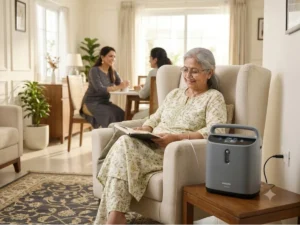
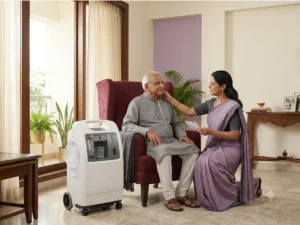
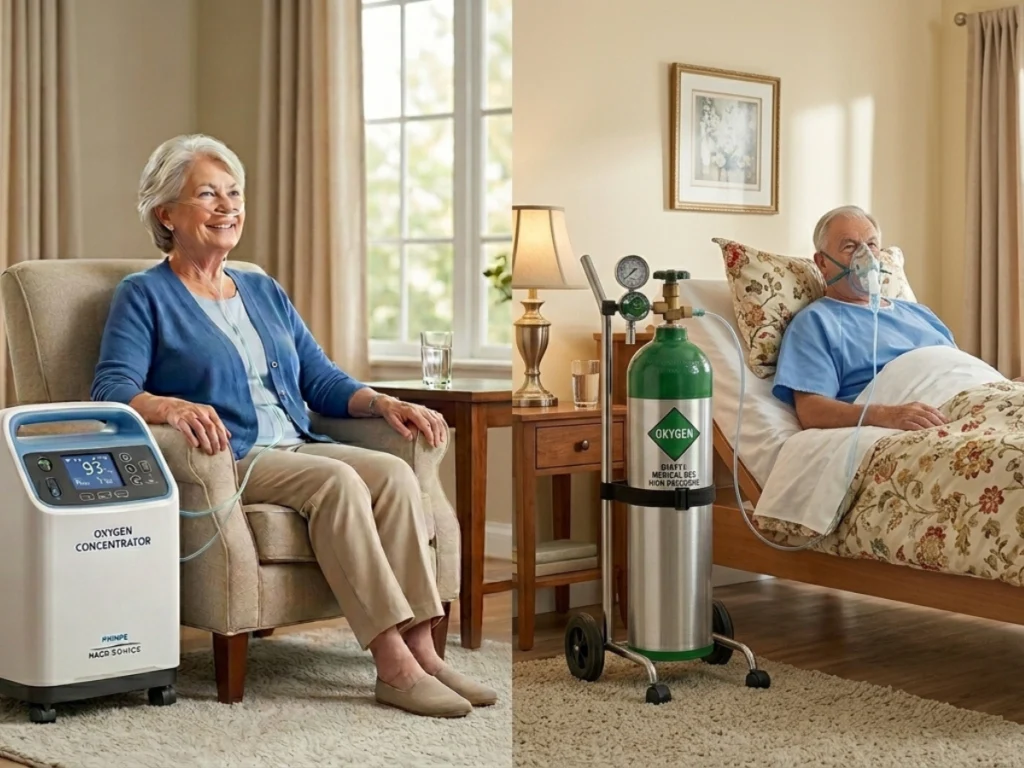
An Oxygen Concentrator is a medical device that filters the oxygen from air and concentrates it for the patient. It does not store oxygen, but continuously generates oxygen through the filtering of nitrogen and other gases from the surrounding air.
The oxygen concentration of modern oxygen concentrators is very high and usually ranges from 90% to 95%, which makes them very effective for long term oxygen therapy. Devices are usually used in home, clinic and hospital.
How Does an Oxygen Concentrator Work?
An oxygen concentrator extracts the air from the room and passes it through an intake filter. It extracts nitrogen from the air by means of a molecular sieve, and enriches the oxygen concentration before sending it down a tube or a mask.
An oxygen concentrator does not need to be refilled as it produces oxygen all day long, which can be convenient for many patients.
What is an Oxygen Cylinder?
An Oxygen Cylinder is a steel cylinder used to hold compressed medical grade oxygen. Patient is connected to the oxygen via a regulator and flow meter, and the oxygen is delivered at high pressure.
Oxygen cylinders have been in use for many years, and they continue to be the source of oxygen in hospitals, fire services and home care.
How Does an Oxygen Cylinder Work?
Oxygen is supplied in the cylinder, which has already been purified and compressed. Oxygen is delivered through a valve when it is opened, being controlled by a regulator which regulates the flow of oxygen to the patient.
A cylinder does not generate oxygen; it has a fixed amount of oxygen and needs to be refilled or replaced when it is empty, unlike an oxygen concentrator.
Oxygen Concentrator vs Oxygen Cylinder: Key Differences
There are some points that need to be taken into consideration when comparing Oxygen Concentrator vs Oxygen Cylinder.
1. Source of Oxygen
Oxygen Concentrator
- Manufactures oxygen from air in the room.
- Delivers continuous oxygen supply when there is a power source.
Oxygen Cylinder
- Stores pre-filled compressed oxygen.
- Only the amount of oxygen in the cylinder is available.
2. Oxygen Availability
An oxygen concentrator is designed to run continuously for long periods of time without having to be refilled with oxygen. This is particularly suitable for individuals needing chronic oxygen therapy.
An oxygen cylinder, on the other hand, has a limited capacity of oxygen. When the tank is empty, it needs to be replaced or refilled.
3. Portability
Oxygen cylinders are bigger and more portable than traditional oxygen concentrators. However, there are portable oxygen concentrator models that are nowadays designed and made for mobility and traveling.
Small oxygen cylinders are easily portable and are widely used during transportation and in emergency situations.
4. Maintenance Requirements
Filters on an oxygen concentrator need to be cleaned and filters and fans need to be serviced periodically.
The maintenance of oxygen cylinders is minimal, but they must be maintained in a safe, secure, and regular manner so they can be refilled.
5. Dependence on Electricity
The biggest and most obvious difference between the Oxygen Concentrator vs Oxygen Cylinder comparison is power (dependency).
Oxygen Concentrator
- Needs power (electricity or battery).
- May not work when the power is off unless it is backed up.
Oxygen Cylinder
- Does not require electricity.
- Can be used anytime and anywhere.
6. Cost Considerations
Oxygen concentrator initial buying cost is usually higher than Oxygen cylinder.
However, the concentrators are not subject to frequent refills so they may be more economical in the long run.
While oxygen cylinders might be less expensive initially, their cost of refilling can accumulate over time, particularly if they require oxygen therapy on a daily basis.
Also Read : Benefits of BiPAP Therapy for Respiratory Conditions
Advantages of an Oxygen Concentrator
Continuous Oxygen Supply
One of the biggest benefits of an oxygen concentrator is its ability to provide oxygen continuously without interruption.
Cost-Effective for Long-Term Use
One of the greatest advantages of an oxygen concentrator is that it can continuously supply oxygen, without stopping. Can be used for long-term use and is cost-effective.
Suitable for Home Oxygen Therapy
Oxygen concentrators are reliable and convenient, making them a preferred choice for Home Oxygen Therapy for many patients.
Environmentally Friendly
Concentrators produce oxygen from room air, which means they minimise the amount of transport and cylinder re-filling required.
Improved Mobility with Portable Models
Patients can use a portable oxygen concentrator to travel, go to work and engage in their daily activities with oxygen support.
Advantages of an Oxygen Cylinder
No Electricity Required
Oxygen cylinders do not require any electrical power to operate and can be used during power outages and emergencies.
Immediate Oxygen Availability
The oxygen is pre-stored in the cylinder, allowing it to be released immediately.
Easy Emergency Use
Oxygen cylinders are commonly used in hospitals, ambulances, and emergency services due to their reliability in supplying oxygen in case of emergencies.
Simple Operation
Most oxygen cylinders are simple to handle, and do not require technical expertise.
Disadvantages of an Oxygen Concentrator
Oxygen concentrators have a lot of advantages, however, they also have some disadvantages.
- Requires electricity or batteries.
- May produce noise while operating.
- Use filters and need maintenance regularly.
- Cost of initial purchase may be more extensive.
Disadvantages of an Oxygen Cylinder
There are some disadvantages to oxygen cylinders as well.
- Limited oxygen supply.
- Require regular refilling.
- May be bulky and cumbersome to carry.
- Continuing re-fill expenses add up.
- Handling of high pressure storage is a matter of care.
Which Option is Better for Home Oxygen Therapy?
An Oxygen Concentrator is a good option for patients who need oxygen therapy for several hours per day. It supplies oxygen that never runs out, and no need to refill must be made.
Patients who need to use oxygen occasionally or have an extra source of oxygen might prefer to have an oxygen cylinder to use.
Many health care practitioners recommend using both systems simultaneously. The concentrator is used as the main oxygen supply with the cylinder providing emergency backup supply.
Role of Portable Oxygen Concentrators
The Portable Oxygen Concentrator has revolutionized oxygen therapy for active people.
The small size of these devices comes with some benefits:
- Lightweight design.
- Battery-powered operation.
- Travel-friendly functionality.
- Oxygen delivery by continuous or pulse-dosing.
- Increased independence and mobility.
Instead of carrying multiple oxygen cylinders, portable oxygen concentrators are more convenient for patients who travel often.
Safety Considerations
Safety is critical, whether you are using an oxygen concentrator or oxygen cylinder.
Oxygen Concentrator Safety Tips
- Maintain in a well-ventilated space.
- Clean filters regularly.
- Follow manufacturer instructions.
- Make a secure electrical connection.
Oxygen Cylinder Safety Tips
- Store cylinders upright.
- Do not expose to heat and flames.
- Secure cylinders properly during transportation.
- People who use oxygen concentrators are ideal users.
Ideal Users for Oxygen Concentrators
An oxygen concentrator may be ideal for:
- COPD patients.
- People with chronic respiratory diseases.
- Users of long-term oxygen.
- Home care patients.
- Patients who require supplemental oxygen but cannot afford it.
Ideal Users for Oxygen Cylinders
A cylinder of oxygen can be used for:
- Emergency situations.
- Short-term oxygen therapy.
- Backup oxygen needs.
- Locations with unreliable electricity.
- Ambulance and transport services.
Oxygen Concentrator vs Oxygen Cylinder: Quick Comparison
| Feature | Oxygen Concentrator | Oxygen Cylinder |
| Oxygen Source | Generates oxygen from air | Stores compressed oxygen |
| Oxygen Supply | Continuous | Limited |
| Refills Needed | No | Yes |
| Electricity Required | Yes | No |
| Long-Term Cost | Lower | Higher |
| Portability | Moderate to High | Moderate |
| Maintenance | Regular cleaning | Refilling and inspections |
| Home Oxygen Therapy | Excellent | Backup option |
Final Verdict
The choice between Oxygen Concentrator vs Oxygen Cylinder comes down to the medical needs, lifestyle and oxygen needs of the patient. For long-term and Home Oxygen Therapy, an Oxygen Concentrator is generally the best option since it delivers oxygen continuously without the need of refilling. Later models of the Portable Oxygen Concentrator are even more convenient and mobile.
However, an Oxygen Cylinder is still a crucial part of the oxygen therapy because of its reliability in emergency, and use of it is free of electricity. Many health care providers recommend keeping a cylinder as a back-up even if you use a concentrator.
Patients should be aware of the advantages and disadvantages of both types of Oxygen Therapy Equipment to select the best oxygen delivery system and ensure they have optimal respiratory health, comfort, and independence. Contact Us Today!
FAQs: Oxygen Concentrator vs Oxygen Cylinder
1. What is the main difference between an Oxygen Concentrator and an Oxygen Cylinder?
An Oxygen Concentrator converts oxygen from the air, and an Oxygen Cylinder stores compressed medical oxygen which needs to be refilled when it is depleted.
2. Home Oxygen Therapy – which is better?
An Oxygen Concentrator is typically a better option for long-term Home Oxygen Therapy since it supplies oxygen on an ongoing basis rather than requiring refills.
3. Will an Oxygen Concentrator need refilling?
No, an Oxygen Concentrator does not require refilling. It continuously generates oxygen from room air as long as it has a power supply.
4. Is it possible to use an Oxygen Cylinder in the event of a Power Outage?
Yes, you can use an Oxygen Cylinder without electricity, making it an excellent backup option during power outages.
5. Can a Portable Oxygen Concentrator be used for travel?
Yes, a Portable Oxygen Concentrator is lightweight, battery-operated, and designed for travel, allowing users to receive oxygen therapy while on the move.
6. Oxygen Cylinder vs Oxygen Concentrator – which is more cost effective?
In general, an Oxygen Concentrator has a higher initial cost but lower long-term expenses because there are no oxygen refill requirements.
7. Is it safe to use an Oxygen Concentrator 24 hours a day?
Yes, most Oxygen Concentrators are designed for continuous use and are commonly used by patients who require oxygen therapy for extended periods.