Most people don’t think much about breathing until they find it challenging. A large number of people worldwide are affected by different respiratory diseases that influence their capacity to indulge in a relaxed and wholesome breath. They can have a profound impact on daily function, sleep patterns, energy and health. Fortunately, medical technology has advanced and there are effective treatment options available and one of the best is BiPAP Therapy.
BiPAP Therapy is a trusted remedy for individuals who have breathing problems related to chronic respiratory diseases and sleep-related breathing disorders. It offers the support for respiration that is essential without any invasive procedure, and is preferred by both patient and healthcare workers.
What Is BiPAP Therapy?
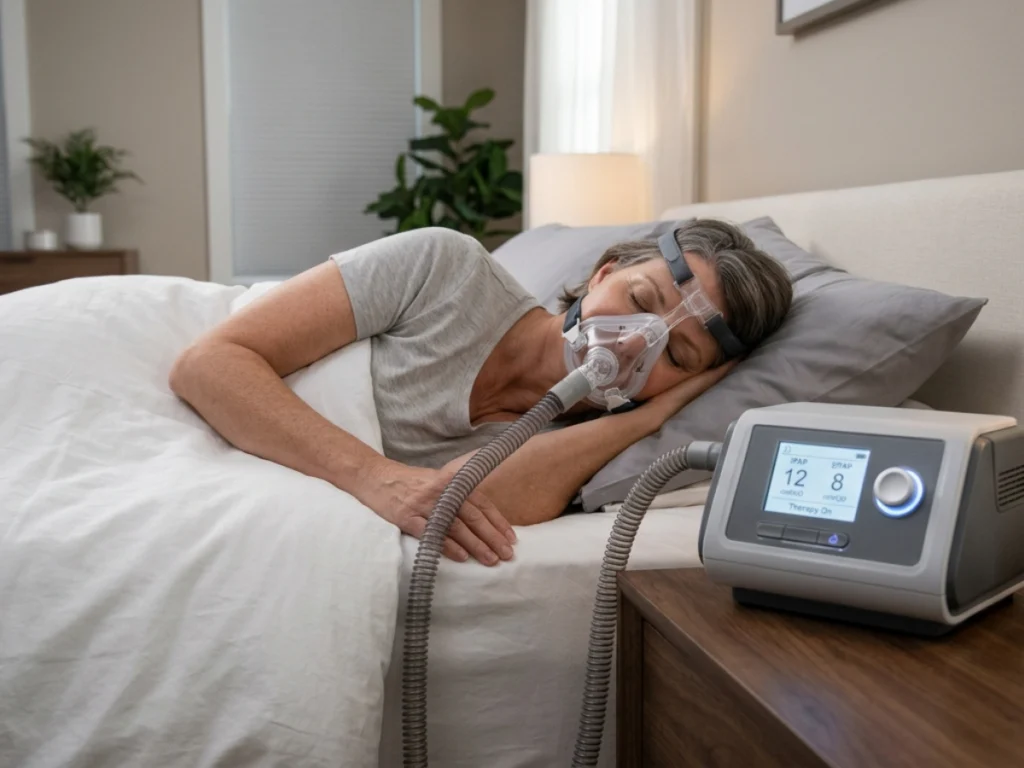
BiPAP Therapy is also known as Bilevel Positive Airway Pressure Therapy. It employs a special kind of BiPAP machine which has two pressure levels. A greater pressure is created during inhalation and a lower pressure during exhalation. This pressure difference facilitates easier and more comfortable breathing, particularly for those with breathing difficulties.
A BiPAP Machine helps patients breathe by decreasing the work involved in breathing, unlike some other respiratory support systems. This assists in enhancing ventilation, oxygen supply and CO2 elimination from the lungs.
BiPAP Therapy is very common as a method of Non-Invasive Ventilation (NIV), which is the delivery of respiratory support via a mask instead of an invasive method like intubation.
How Does a BiPAP Machine Work?
A BiPAP Machine uses low-level pressure to push air through a mask that covers the nose, mouth or both. The machine is able to monitor the breathing pattern continuously and adjust the pressure setting to the required one prescribed by the healthcare provider.
The two pressure settings include:
- Inspiratory Positive Airway Pressure (IPAP): higher pressure when breathing in.
- Expiratory Positive Airway Pressure (EPAP): Exhalation pressure that is lower.
This combination of pressure enables better inhalation and more natural and easy exhalation. As a consequence, BiPAP Therapy decreases the effort of breathing and enhances other respiratory functions.
Respiratory Conditions Treated with BiPAP Therapy
BiPAP Therapy is often prescribed for a range of Respiratory Conditions which impact on the efficiency of breathing. These are the most common conditions:
Chronic Obstructive Pulmonary Disease (COPD)
COPD is a progressive lung disease where breathing is limited as a result of airway obstruction. People with COPD tend to have shortness of breath, wheezing and a persistent cough. The use of BiPAP Therapy can decrease the effort of the respiratory muscles and enhance oxygenation.
Obstructive Sleep Apnea
Those who have sleep apnea have sporadic breathing during their sleep. CPAP is usually the initial line of treatment; however, some patients may find that BiPAP Treatment is more suitable, particularly in the case of higher pressure levels.
Obesity Hypoventilation Syndrome
Obesity can have a negative effect on breathing and oxygen levels. BiPAP Therapy facilitates the effective ventilation and allows the patient to have a healthier O2 and CO2 level.
Neuromuscular Disorders
Weakness of respiratory muscles can result in various neuromuscular diseases including muscular dystrophy, ALS. BiPAP Therapy helps to assist breathing and improve quality of life.
Acute Respiratory Failure
In some instances, respiratory distress (breathelessness) can be treated with BiPAP Therapy, thus preventing the need for invasive mechanical ventilators.
Key Benefits of BiPAP Therapy
The number of benefits that can result from BiPAP Therapy for people who suffer from respiratory conditions and sleep-related breathing disorders is great.
1. Improves Breathing Efficiency
One of the primary Benefits of BiPAP Therapy is improved breathing. The dual-pressure setting allows for easier inhalation and less force to be used in exhalation. This aids the patient to breathe more easily and efficiently.
2. Enhances Oxygen Levels
When oxygen levels are low, it can cause fatigue, confusion and other health issues. BiPAP Therapy can increase oxygen levels throughout the body and provide the organs and tissues with sufficient oxygen.
3. Reduces Carbon Dioxide Retention
There are many respiratory diseases that lead to CO2 retention. BiPAP Treatment facilitates better elimination of carbon dioxide, minimizing the chances of complications from inadequate ventilation.
4. Supports Better Sleep Quality
Sleep disturbances are common among people with respiratory disorders. Patients will have a steady airflow round the clock and will sleep more comfortably and feel better in the morning after using BiPAP Therapy.
5. Minimizes Breathing Effort
Individuals with weakened respiratory muscles may have trouble breathing independently. With a BiPAP Machine, these muscles do not work as hard, breathing is not as exhausting and can become more sustainable.
6. Non-Invasive and Comfortable
BiPAP Therapy is a type of Non-Invasive Ventilation, which is a treatment without surgery or an invasive breathing tube. Respiratory support can be provided without the need for a bulky mask.Patients can be given effective respiratory support using a comfortable mask.
7. Helps Prevent Hospitalization
BiPAP Therapy can effectively control symptoms and minimize the risk of a respiratory emergency that would necessitate admission to a hospital.
Also Read : CPAP Machine Near Me for Better Sleep & Breathing
BiPAP Therapy and Sleep Apnea Therapy
Sleep Apnea is among the most prevalent sleep disorders in the world today. It results in periodic breathing episodes that interfere with sleep and decrease oxygen levels. Undiagnosed sleep apnea can lead to hypertension, heart disease, diabetes and stroke.
CPAP devices are commonly used in Sleep Apnea Therapy. CPAP machines deliver one uniform pressure but it can be hard for some individuals to try to breathe out against the higher pressure. In such instances, BiPAP Therapy is a more comfortable choice.
A BiPAP Machine utilizes various pressure levels to enable patients to breathe normally and maintain their airway open during sleep. This will help sleep quality and alleviate symptoms like snoring, daytime tiredness, and morning headaches.
Why Non-Invasive Ventilation Is Important
Non-Invasive Ventilation has revolutionized through the provision of an effective means of breathing support without the need for invasive procedures. Treatment may be provided in hospital, clinics or even in the home.
Non-Invasive Ventilation has the following advantages:
- Increased patient comfort.
- Reduce the likelihood of disease.
- Easier administration.
- Being able to be treated at home.
- Faster recovery times.
- Improved treatment adherence.
BiPAP Therapy has proven to be one of the most successful NIV treatments currently available.
Home Use of BiPAP Therapy
A BiPAP machine can be used at home by many patients to help them. Long-term treatment is more convenient due to the compactness, quietness and user-friendliness of modern machines.
There are a number of benefits to home-based BiPAP Therapy:
- Improved independence.
- Better sleep quality.
- Continuous respiratory support.
- Reduced hospital visits.
- A better standard of living.
The patient should adhere to their health care professional’s guidelines for machine settings, mask selection and clean up.
Tips for Successful BiPAP Treatment
Patients can achieve the greatest Benefits of BiPAP Therapy if they follow best practices for usage and maintenance.
Use the Correct Mask
An appropriately sized mask will allow for proper air flow and air leakage will be avoided. There are different types of masks, such as nasal, full face or nasal pillow.
Maintain Regular Cleaning
Make sure to clean the mask, tubing and humidifier regularly to minimize bacteria growth and ensure the best performance.
Follow Prescribed Settings
Never adjust pressure settings without consulting healthcare professional. Correct use of pressure is critical to the proper use of BiPAP Treatment.
Monitor Symptoms
Patients should observe their breathing, sleep quality, and comfort and share if there is any concern with their health care provider.
Schedule Routine Check-Ups
Follow-up appointments promote the continued use of BiPAP Therapy to meet the patient’s respiratory needs.
Who Can Benefit Most from BiPAP Therapy?
BiPAP Therapy may be suggested for people who:
- Have COPD.
- Have trouble breathing while sleeping.
- Have persistent difficulty breathing.
- Have neuromuscular disorders.
- The child requires post hospital support for their breathing.
- Have trouble with hyperventilation.
- Need long-term breathing supports.
Each patient’s condition is assessed by a healthcare professional and it is determined if BiPAP Therapy is the most suitable treatment for every patient.
Conclusion
Benefits of BiPAP Therapy go beyond just helping with breathing. BiPAP Therapy helps individuals with a variety of Respiratory Conditions improve their sleep, air flow, oxygen levels and eliminate the buildup of carbon dioxide.
A BiPAP Machine reliably and comfortably assists with your respiration for Sleep Apnea Therapy, chronic respiratory disease management, and Non-Invasive Ventilation. BiPAP Treatment may help patients with breathing problems live a better life, be more independent, and benefit their overall health in the long run.
If you or a family member suffers from ongoing breathing issues or have a diagnosis of any respiratory condition, it is important to speak with a healthcare professional about the advantages of BiPAP Therapy for improving breathing, sleeping and overall health. Contact Us Now!